Have you ever thought verifying your identity could be easier than you might imagine? Think of it like having a friendly guard at your local bank who makes sure everyone who walks through the door is who they say they are. When you use a crypto platform, it uses smart tools that quickly scan your documents and even check your face in real time to confirm your details. This mix of digital speed and a human touch keeps things secure and helps stop fraud. In a market where trillions of dollars change hands, these careful checks play an important role in protecting your digital investments.
KYC Crypto Explained: Definition, Purpose, and Industry Overview
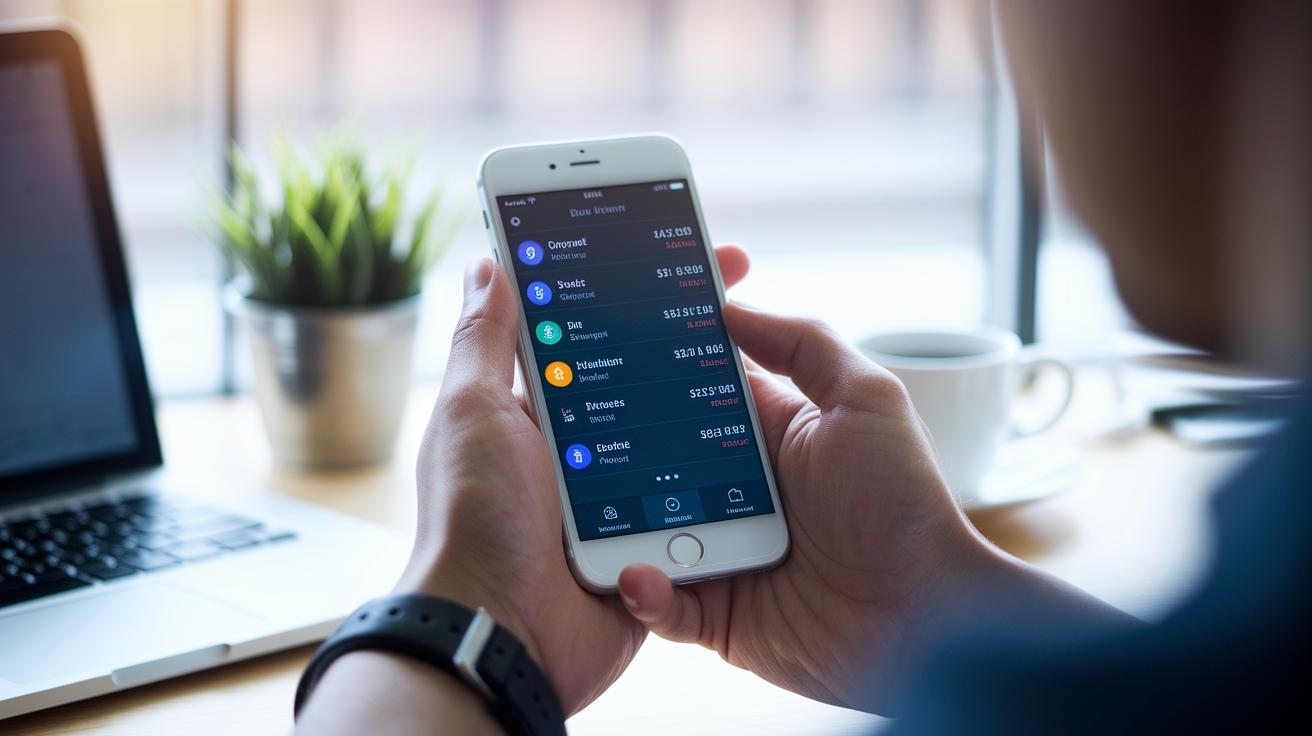
KYC in crypto is how virtual asset service providers confirm your identity and check for potential risks before you can access their services. It’s a key part of anti-money laundering measures designed to stop illegal activities like money laundering and tax evasion. Think of it like a bank checking your ID before issuing a card, crypto platforms use KYC to make sure everyone is who they claim to be, keeping the digital ecosystem safe.
Custodial wallets, where a service holds your private keys, have to follow strict KYC rules. In contrast, non-custodial wallets such as MetaMask or Argent let you control your own keys, usually without needing to go through identity checks. Still, every transaction on these wallets is recorded on the blockchain, so there’s continuous monitoring for any suspicious activity.
The industry is buzzing with activity. More than 1,900 virtual asset service providers now operate globally, servicing hundreds of customers and handling over a trillion dollars in transactions across more than 10,000 assets and 200+ wallets. And with regulations like the Crypto Travel Rule, which requires sharing key transaction details in over 100 regions, it’s clear that strict identity checks and compliance measures are essential for the digital asset world.
kyc crypto: Smooth Identity Checks for Security

Crypto platforms today rely on smart online tools to make identity checks both fast and secure. They gather essential data like your name, address, and birth date, and then use tech such as document scans and live facial checks to be sure you’re really who you say you are. This mix of automated processes with a human touch not only speeds things up but also makes it tougher for fraudsters.
Here’s how it works:
- Collect basic info (name, address, date of birth).
- Upload documents like your ID or passport.
- Verify these documents using techniques such as OCR and watermark checks.
- Confirm your identity with a live biometric scan.
- Score your identity based on risk factors.
- Screen against politically exposed persons and sanctions lists.
- Keep an eye on transactions continuously.
Every step plays a key role in building a secure trading environment. These measures help detect issues like deepfakes or fake identities early on, ensuring that the crypto space stays safe for everyone.
KYC Crypto Compliance: Global Regulatory Frameworks

The digital asset world depends on common rules to build trust and keep cross-border deals secure. Global standards guide everyone from financial institutions to crypto service providers as they navigate a variety of regulations. This setup helps everyone involved know what to expect when it comes to verifying identities and doing proper due diligence.
FATF's crypto travel rule is a key example. It asks virtual asset service providers to share important customer details when funds go above a set threshold. This rule applies in more than 100 jurisdictions and requires that every qualifying transaction comes with specific customer information. Think of it like adding a detailed note to every valuable package you send; it ensures that both the sender and receiver can be clearly identified.
In the United States, FinCEN guidelines make sure crypto exchanges keep close tabs on their customers and transactions. They require exchanges to perform thorough customer checks and monitor every move. This means logging and reporting any unusual activity, which helps flag potential risks and maintain a safer market environment.
The EU MiCA regulation takes a layered approach with its KYC process. It sets up a step-by-step verification system where basic checks are enough for smaller transactions, but larger ones require more detailed identity confirmation. This method makes onboarding smoother for everyday users while applying tougher scrutiny when the stakes are higher.
| Framework | Region | Key Requirement |
|---|---|---|
| FATF Crypto Travel Rule | Global | Mandatory customer data sharing for high-value transactions |
| U.S. FinCEN Guidelines | United States | Robust due diligence and suspicious activity reporting |
| EU MiCA Regulation | European Union | Tiered verification standards across member states |
Automated KYC Crypto Solutions for Secure Onboarding

Automated KYC tech speeds up the sign‑up process by blending classic identity checks with the latest digital advances. Today’s systems offer bank‑level, end‑to‑end verification in just minutes, covering thousands of assets and hundreds of wallets. This shift to digital minimizes manual mistakes and boosts return on investment by making the verification process both safe and efficient. In short, high‑performance automated tools shorten onboarding times and smooth out operations, benefiting users and providers alike in today’s competitive market.
AI‑Driven Identity Verification
Modern, machine‑learning tools power AI‑driven identity checks by quickly scanning documents and matching faces. These systems use smart algorithms to spot any inconsistencies and flag potential issues in seconds. For instance, if a live selfie doesn’t match, the system catches it fast, ensuring that only genuine users move forward.
Biometric Verification Platforms
Biometric platforms add another layer of security with liveness tests and facial recognition. They make sure that it’s a real person submitting data, not a flat image. By focusing on tiny details, these systems build stronger trust and act as an extra shield against sophisticated fraud.
Blockchain‑Based Verification
Blockchain‑based checks use smart contracts and unchangeable audit trails to record every step of the process. This means every verification is logged securely, creating a clear, tamper‑proof record. By merging traditional checks with cutting‑edge cryptography, this method can handle a growing range of assets and diverse blockchain environments efficiently.
Challenges and Risks in KYC Crypto Implementation

In the crypto world, privacy and compliance often clash. Decentralized exchanges and crypto ATMs let users trade without showing ID, which feels easy and private. But this freedom can also lead to risks like sanction breaches or fake accounts. It's like leaving a door unlocked: it might seem convenient, but it can invite trouble.
Then there are transaction limits and constantly changing rules. Some platforms without full KYC only allow certain withdrawal amounts, for instance, MEXC caps at 10 BTC per day and Bybit at 20,000 USDT daily. These limits can protect users temporarily, yet may create hurdles when regulators demand stricter checks. Traders can feel uneasy, not knowing what new policies might soon impact their activities.
Decentralized setups also come with their own vetting challenges. Although blockchain transactions are traceable, linking a wallet to a real identity is tricky without standard verification. This gap may boost the risk of fraud by letting bad actors slip through the cracks.
Future Trends in KYC Crypto and Emerging Verification Technologies

Changing rules and growing compliance demands are reshaping how crypto platforms operate. With no single set of global standards for KYC or AML, firms are quickly adapting to new requirements. Regulators now want more consistent ways to collect and report data, boosting both security and transparency. This pressing shift is pushing platforms to invest in flexible, innovative technology.
Self-sovereign identity and decentralized verification are gaining real momentum. Blockchain products now allow you to control your own digital identity, no central authority needed. Imagine a system where your verified credentials travel with you, managed securely through direct, peer-to-peer agreements. This fresh approach not only empowers users but also smooths out many of the bumps associated with traditional identity checks.
New advances in AI and biometric platforms are set to power the next generation of digital asset regulation. Machine-learning algorithms paired with cutting-edge facial recognition are enhancing risk monitoring and catching fake identities. These evolving solutions enable real-time transaction tracking, so platforms can quickly identify suspicious activity and streamline self-service onboarding.
Final Words
in the action, this article explored the essence of kyc crypto and examined how clear-cut identity checks help manage risk while keeping transactions safe. We broke down wallet verification, the efficiency of automated systems, and the impact of global regulations on digital assets. Each segment offered practical checkpoints to follow as the industry evolves. The insights shared here serve as a reliable guide to simplify complex concepts and support smart, informed decision-making. The future looks bright for secure, accessible crypto verification.
FAQ
What is KYC in crypto?
The term KYC in crypto refers to the process of verifying customer identities to combat money laundering, helping platforms manage risk and comply with regulatory standards.
Is crypto KYC safe?
Crypto KYC is safe when conducted by trusted providers that use secure systems and robust protocols to protect your personal data while meeting regulatory requirements.
Can I buy crypto without KYC?
While some smaller or peer-to-peer platforms may allow limited transactions without KYC, most major exchanges require it for regulatory compliance and enhanced security.
Does Coinbase require KYC?
Coinbase requires KYC by collecting personal and document details to verify identities, ensuring compliance with financial regulations and maintaining platform security.
How to verify KYC in crypto?
Verifying KYC in crypto involves submitting personal information, uploading identity documents, and sometimes completing biometric checks to authenticate your identity securely.
What is a KYC crypto app?
A KYC crypto app is a mobile tool that helps users complete identity verification quickly, ensuring they meet compliance standards before engaging in digital asset transactions.
What is the cost of KYC crypto?
The cost of KYC crypto varies by platform; many offer free verification while some charge fees for advanced authentication processes and enhanced security measures.
Who are the crypto KYC providers?
Crypto KYC providers offer digital verification services, supporting crypto exchanges by performing identity checks and implementing anti-money laundering protocols to secure transactions.
What is KYC crypto Pi?
KYC crypto Pi is a digital verification solution designed for crypto, ensuring regulatory compliance by confirming user identities and reinforcing secure transaction practices.