
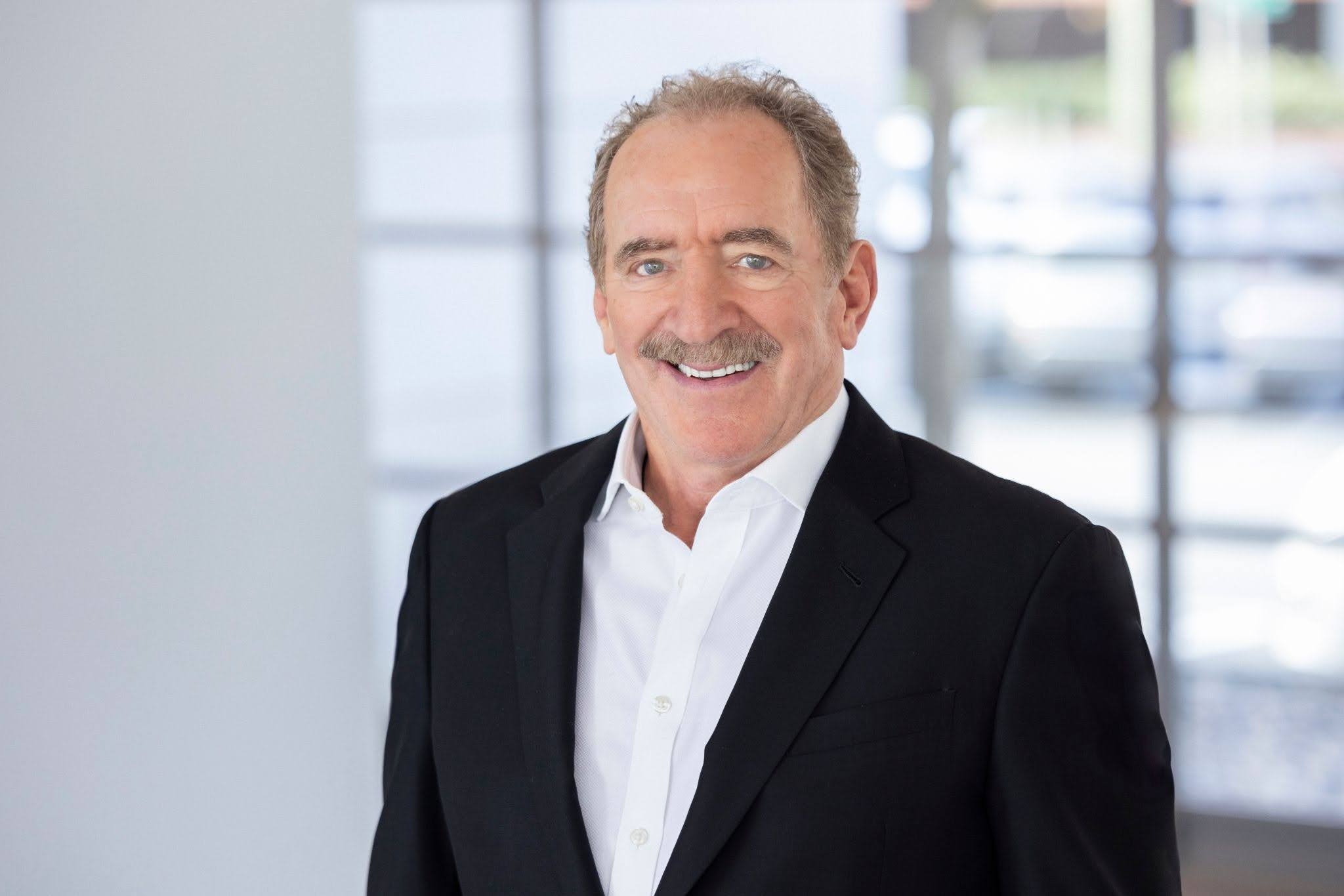
Financially informed clients may be better positioned to understand the rationale behind planning and investment recommendations. James Pratt-Heaney, a founding partner of Coastal Bridge Advisors in Westport, CT, brings more than 30 years of financial services experience to that conversation, with a professional background spanning financial analysis, market research, wealth management, and client relationship management.
Early investing is not only about starting sooner. It is also about understanding why time, consistency, diversification, tax awareness, and disciplined behavior matter. James Pratt-Heaney’s perspective on early investing reflects the idea that informed clients are often better prepared to use financial advice effectively across different stages of life.
Why Financial Education Matters Before Wealth Accumulates
Many wealth management conversations begin after assets have already grown. By that point, investors may be focused on retirement income, tax exposure, estate planning, charitable giving, or family wealth transfer. Those are important areas, but many of the habits that influence long-term outcomes begin much earlier.
Financial education gives young investors a working foundation before decisions become more complex. A basic understanding of compounding, account types, contribution discipline, and market volatility can help investors avoid treating short-term movement as a reason to abandon long-term goals. That foundation does not replace professional advice, but it can make advisory conversations more productive.
James Pratt-Heaney has spent a long career working with clients whose financial needs often involve multiple planning considerations at once. The earlier an investor learns how core financial concepts connect, the easier it becomes to understand later decisions involving allocation, liquidity, taxes, estate structures, and generational planning.
The Role Of Compounding In Early Investing
Compounding is one of the clearest reasons early investing can matter. Money invested over a longer period has more time to grow, recover from market declines, and benefit from reinvested returns. Starting earlier does not guarantee a specific outcome, but it can create more flexibility than waiting until later in life.
Young investors often focus on how much they can invest immediately. The more useful question is whether investing can become a consistent habit. Regular contributions to retirement accounts, diversified portfolios, or other long-term vehicles can help create discipline while the investor’s time horizon is still broad.
A financial education framework should explain both the opportunity and the limits of compounding. Markets fluctuate, returns are not linear, and risk tolerance matters. James Pratt-Heaney connects early financial understanding with the broader planning discipline that becomes important as wealth, family responsibilities, and future goals develop.
Closing The Gap Between Access And Understanding
Investment platforms, retirement accounts, and financial information are more accessible than ever. Access alone does not always produce sound decision-making. Many investors can open accounts quickly but may still lack a reliable framework for evaluating risk, diversification, fees, taxes, or time horizon.
The volume of financial content online can also create confusion. Short-term trading stories, speculative trends, and simplified advice may attract attention without helping investors build durable habits. Financial education should help people separate foundational principles from temporary noise.
That distinction is especially important for early investors. Understanding the difference between investing and speculation, taxable and tax-advantaged accounts, or short-term volatility and long-term planning can reduce avoidable mistakes. The goal is not to make every investor an expert. The goal is to help investors ask better questions and make more informed decisions.
How Financial Literacy Supports Generational Wealth
Generational wealth planning depends on more than asset transfer. Families also need to consider whether future generations understand the responsibilities connected to inherited assets, trust structures, charitable goals, and long-term stewardship. Without that understanding, even well-designed plans can become difficult to sustain.
Financial education helps translate planning strategies into real-life decisions. Pratt-Heaney advises clients that wealth management may include estate planning, tax-efficient strategies, investment reviews, and family discussions about long-term goals. When clients and their families understand the purpose behind these strategies, they can participate more confidently and meaningfully in the planning process.
Financial literacy for the next generation does not require advanced technical knowledge. It can begin with concepts such as income versus wealth, spending versus investing, liquidity, risk tolerance, taxes, and time horizon. These subjects help families discuss wealth in a way that is responsible, grounded, and connected to long-term goals.
James Pratt-Heaney On Financially Informed Clients
Financially informed clients can participate more actively in advisory conversations. Recommendations may be easier to evaluate when clients understand the purpose behind diversification, retirement income planning, tax-aware investing, or estate coordination. That can improve communication during both stable markets and periods of uncertainty.
James Pratt-Heaney’s work with long-term clients reflects the value of connecting technical planning with clear explanation. A portfolio recommendation should not exist in isolation. It should be understood in relation to cash flow, family goals, tax exposure, charitable priorities, and future responsibilities.
This is where education and advisory work reinforce each other. Financial education helps clients understand the reasoning behind a recommendation. Advisory experience helps place that understanding within a broader planning framework. Together, those elements may support more durable decision-making.[MM1]
Credentials, Industry Engagement, And Planning Context
Professional credibility in financial services is built through experience, education, and continued engagement with the field. James Pratt-Heaney’s background includes graduate-level education at The Wharton School of Management Center and Ohio State University, along with an undergraduate degree from Marist College. That academic foundation supports the analytical demands of wealth management and financial planning.
Industry participation adds further context. James Pratt-Heaney holds a seat on the Advisory Board for Pershing Advisor Solutions and has appeared on Fox Business Channel and the Dow Jones Advisor Show. These professional reference points support a public profile connected to advisory work, market commentary, and developments in the independent RIA space.
Those credentials are most useful when connected to client-facing planning. Education, media experience, and industry involvement can support practical judgment, long-term communication, and informed decision-making in the context of early investing and generational wealth.
Building Financial Understanding Across Life Stages
Financial education can begin with simple habits and develop into more advanced planning over time. Young investors may start with budgeting, emergency reserves, employer-sponsored retirement plans, Roth or traditional account differences, and diversification. As assets grow, those conversations may expand into tax planning, estate strategy, charitable giving, and family wealth transfer.
Families can also make financial education part of ordinary decision-making. Parents may explain the purpose of saving, investing, charitable giving, or planning for education costs. Grandparents may use estate conversations to introduce values around stewardship and responsibility. These discussions can help future generations understand that wealth management is not only about assets, but also about decisions.
James Pratt-Heaney’s approach to generational wealth planning reflects that broader view. Based in Weston, CT, with family and community ties, James Pratt-Heaney’s public profile can include personal context without shifting away from professional substance. Interests such as playing guitar add human texture while keeping the focus on financial planning, education, and long-term client service.
A Foundation For Long-Term Wealth[MM2]
Early investing and generational wealth are connected by the same principle: informed decisions made over time can create more room for thoughtful planning. Financial education helps investors understand the mechanics of growth, the purpose of diversification, and the importance of aligning decisions with long-term objectives.
Coastal Bridge Advisors Westport CT is part of the setting for that planning work. The James Pratt-Heaney wealth management perspective is strongest when framed around education, continuity, and disciplined review. Clients benefit when financial concepts are explained clearly and connected to real planning needs.
Financial education does not eliminate uncertainty. It helps investors understand uncertainty more clearly. For individuals and families thinking about early investing, generational wealth, or long-term financial planning, that understanding can become a practical foundation for better conversations and more informed choices.
About James Pratt-Heaney
James Pratt-Heaney is a founding partner of Coastal Bridge Advisors, an independent registered investment advisory firm based in Westport, CT. With more than 30 years of experience in financial services, James Pratt-Heaney works in wealth management, financial analysis, long-term planning, market research, estate planning coordination, and client relationship management. James Pratt-Heaney holds a seat on the Advisory Board for Pershing Advisor Solutions and has appeared on Fox Business Channel and the Dow Jones Advisor Show. Educational background includes Marist College, Ohio State University, and The Wharton School of Management Center. Learn more through James Pratt-Heaney at Coastal Bridge Advisors.