
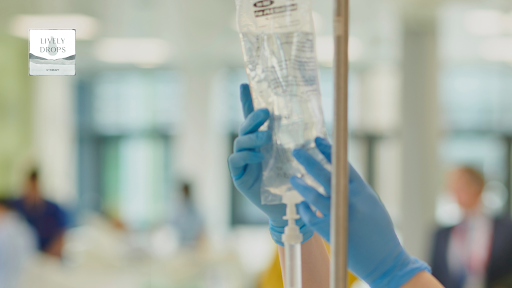
IV hydration is considered safe for most adults when administered by a licensed medical professional under proper clinical oversight. IV hydration Hollywood services have made intravenous therapy widely accessible outside hospital settings. First-time users often have questions about risks, side effects, and what the process actually involves. The answers depend on the provider’s credentials, the intake screening process, and whether the formulation matches the client’s health profile.
What First-Time Users Should Know Before Booking
IV hydration is a medical procedure, not a wellness retail service. A needle is inserted into a vein, and fluids are delivered directly into the bloodstream. That distinction matters because the safety standards that apply in a hospital setting apply equally outside of one.
Before your first session, understand these fundamentals:
- A licensed RN, NP, or physician must perform the insertion and monitor the session
- A health intake form must be completed and reviewed before any IV is placed
- The formulation must be disclosed in full before the session begins
- A supervising physician or medical director must be on file and reachable during the appointment
- Emergency medications must be on-site in case of an adverse reaction
A provider who skips any of these steps is not operating at the clinical standard that IV therapy requires regardless of how professional their branding appears.
Who IV Hydration Is Safe For
Most healthy adults tolerate IV hydration well. The procedure involves a small peripheral catheter placed in a vein of the hand or forearm. The process takes between 30 and 60 minutes depending on the volume and formulation selected.
IV hydration is generally safe for:
- Adults with no active cardiovascular or kidney conditions
- People experiencing acute dehydration from illness, heat, or physical exertion
- Individuals with documented vitamin or electrolyte deficiencies
- Athletes recovering from high-output training or competition
- People who cannot tolerate or absorb adequate fluids orally due to nausea or gastrointestinal issues
Healthy adults with no contraindications rarely experience complications beyond minor bruising at the insertion site. A thorough intake screening identifies any factors that would change that assessment before the session proceeds.
Who Should Consult a Physician Before Their First Session
Certain medical conditions require additional clinical review before IV hydration is appropriate. A responsible provider will identify these during intake and refer the client to their physician when necessary.
Consult a physician first if you have:
- Congestive heart failure or any condition that limits fluid tolerance
- Chronic kidney disease, as excess IV fluids can stress already reduced renal function
- Hypertension currently managed with diuretics or fluid-restricting medications
- A known allergy to saline, preservatives, or any common IV additive
- A history of blood clots or coagulopathy affecting venous access
- Active infection, open wounds, or compromised skin at likely insertion sites
These conditions do not automatically disqualify someone from IV therapy. They require a licensed prescriber to review the clinical picture and adjust the formulation or fluid volume accordingly before proceeding.
What the Intake Process Should Cover
The intake screening is the most important safety mechanism in any IV wellness session. It is the step that separates a clinically sound provider from one operating without adequate oversight.
A proper intake for a first-time client should include:
- Full medical history including chronic conditions and recent procedures
- Current medications and supplements that may interact with IV additives
- Known allergies to medications, foods, or preservatives
- Vital signs assessment including blood pressure and pulse before insertion
- Review of the selected formulation with the client before any line is placed
- Opportunity for the client to ask questions and decline any component
Our nurses complete every one of these steps before a line is placed. Nothing is skipped for returning clients either. The intake is conducted fresh at every visit because health status changes between sessions.
What to Expect During Your First IV Session
First-time clients often report that the procedure is less uncomfortable than expected. The insertion involves a brief pinch at the catheter placement site. Once the line is in place, most people feel little to nothing during the infusion itself.
A typical first session looks like this:
- Nurse arrives with all supplies and confirms your identity and intake responses
- Vital signs are checked and the formulation is reviewed before insertion
- A small catheter is placed in a vein of the hand or forearm using sterile technique
- The drip runs at a controlled rate for 30 to 60 minutes while the nurse monitors the site
- The line is removed, the site is dressed, and post-session guidance is provided
Some clients feel a cool sensation in the arm as fluids enter the vein. This is normal and resolves as the body adjusts to the infusion rate. Lightheadedness is rare but managed immediately by slowing the drip rate.
Common First-Time Concerns and Clinical Answers
First-time clients frequently raise the same concerns before their session. Here are the most common ones with direct clinical answers.
Will it hurt?
The insertion involves a brief sharp sensation. The infusion itself is painless for most people.
Can I have a reaction?
Allergic reactions to saline-based IV solutions are rare. Reactions to additives like magnesium or vitamin C are uncommon but possible. This is why the intake screening and on-site emergency medications are non-negotiable.
How will I feel afterward?
Most first-time clients report feeling more alert and physically lighter within 30 to 60 minutes of completing the session. Effects vary based on the formulation and the degree of deficiency being addressed.
How long does it last?
A standard 1,000ml drip takes 45 to 60 minutes. NAD sessions run significantly longer at 90 minutes to 4 hours depending on the dose.
What Lively Drops Does for First-Time Clients
Lively Drops takes first-time clients through a detailed intake process before any appointment is confirmed. Our licensed nurses explain every component of the formulation, answer questions before insertion, and monitor the session from start to finish.
We serve the iv hydration Hollywood area with mobile sessions delivered to your home, hotel, or office. Every visit follows physician-reviewed protocols. The team carries emergency medications to every appointment and maintains direct contact with the supervising physician throughout each session. Browse our available formulations through our wellness IV drips to see what fits your first session goals.
How to Choose a Safe Provider for Your First Session
Choosing the right provider for a first IV session is the most important decision in the process. Price and availability should not be the primary filters.
Look for these before committing:
- A licensed RN, NP, or physician confirmed for your specific appointment
- A named supervising physician or medical director with active oversight
- A health intake process completed before the session is scheduled
- Full ingredient and dose disclosure for the selected formulation
- Confirmation that emergency medications are carried to every appointment
IV hydration Hollywood providers vary widely in how seriously they meet these standards. Call us at (562) 665-2822 or reach out through our online contact form to ask any questions before your first session is scheduled.