
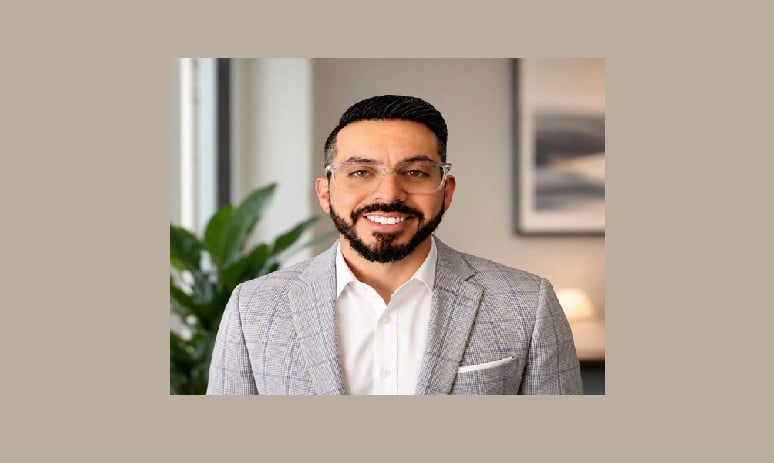
Entrepreneurial thinking does not always begin with a formal company launch. For many business builders, it begins years earlier through the habits, relationships, revenue disciplines, and market judgment developed inside competitive organizations.
Michael Lienert’s career reflects that pattern. His work across sports, entertainment, hospitality, and real estate has been shaped by premium sales, partnership development, executive operations, and relationship-based business growth. Across each chapter, the common thread is an ability to identify opportunity, build trust, and apply commercial discipline in changing market environments.
Why Sports and Entertainment Build Business Operators
The Michael Lienert Chicago chapter is one part of a larger sports business career that moved across major markets and organizations. In sports and entertainment, professionals operate in environments where client expectations are high, timelines are visible, and revenue strategy depends on trust as much as product knowledge.
Lienert’s career includes senior work connected to the Detroit Tigers, Detroit Red Wings, Chicago Fire FC, Legends, Los Angeles Football Club, the Los Angeles Chargers, SoFi Stadium, and Vue Orleans. Each environment required a different mix of relationship development, premium sales, partnership strategy, and operational execution.
Those experiences are relevant because sports and entertainment prepare professionals for entrepreneurial work in practical ways. They require clear communication, consistent follow-through, structured sales processes, and the ability to connect organizational offerings with client priorities. Those same skills apply directly to real estate advisory and relationship-driven business development.
Building From Early-Stage Opportunity
One of the clearest examples of Lienert’s entrepreneurial approach came during his work with Legends Hospitality and Los Angeles Football Club. He joined during the early formation stages of LAFC, before the club had played a match. That meant the work was not only about selling a team. It was about helping build an identity, a brand, and a fan base from the ground up.
In that environment, premium seating, partnerships, and hospitality experiences had to be positioned before the stadium experience existed in full. The work required vision, storytelling, and long-term relationship development. Clients and partners needed to understand the value of a platform still being built.
This early-stage work helped shape Lienert’s approach to business development. It reinforced the importance of trust, timing, positioning, and client confidence. Those lessons continued to matter in later roles across Detroit, Chicago, Los Angeles, New Orleans, and Michigan real estate.
Suite Sales, Venue Development, and Revenue Discipline
Lienert later worked with Legends Hospitality and the Los Angeles Chargers during the SoFi Stadium project. That role placed him in another early-stage premium sales environment tied to a major venue development.
The Chargers had recently relocated from San Diego, and the SoFi Stadium project required the development of a premium client base in Los Angeles. Lienert led suite sales efforts during a critical build phase, supporting long-term suite lease activity and helping build a multi-year pipeline through strategic relationship development and targeted outreach.
This work reflected the same core principles that appeared at LAFC: relationship-building, strategic positioning, long-term value, and structured sales execution. In premium sales, the product is only part of the equation. The relationship, credibility, and clarity of the offering are equally important.
The Architecture of a Diversified Professional Platform
A diversified business platform is not simply a collection of unrelated roles. It requires capabilities that carry across sectors. For Lienert, those capabilities include revenue development, client communication, market fluency, team leadership, and relationship management.
The Michael Lienert Detroit experience helped build that platform through work connected to the Detroit Tigers and Detroit Red Wings. Detroit added major-market sports business experience to a career already shaped by premium sales and partnership development.
Chicago added another major sports market through Chicago Fire FC. New Orleans added hospitality and venue operations through Legends and Vue Orleans, where Lienert served as General Manager. Michigan real estate now provides a current professional chapter through Brandt Real Estate, where relationship-driven advisory and market understanding remain central.
Relationship-First Business Development
Across each sector in which Lienert has worked, relationships have remained the constant. Premium sports sales depend on them. Corporate partnerships require them. Venue operations are strengthened by them. Real estate advisory is built around them.
The Michael Lienert business development model is best understood through that relationship-first lens. It is not a soft concept. In practical business terms, relationships affect referral flow, client trust, negotiation quality, repeat engagement, and long-term credibility.
A professional who has spent years building premium partnerships and client relationships in competitive sports markets brings a useful foundation to real estate. The setting changes, but the core requirement remains the same: understand the client, communicate clearly, and follow through with discipline.
Credentials as a Platform, Not a Finish Line
Lienert’s Michigan Real Estate License and Michigan Life and Health Insurance License reflect a deliberate expansion of his professional platform. Licensure creates the formal foundation for work in regulated fields, but the value of those credentials depends on the professional capability behind them.
In real estate, clients often need more than transaction support. They need clear communication, local market awareness, structured guidance, and confidence in the professional managing the process. Lienert’s background in premium sales and partnerships gives him a foundation for that kind of advisory work.
His current work with Brandt Real Estate across commercial, land, and residential markets connects naturally to the relationship-based skill set developed across sports and entertainment. It is not a departure from his earlier career. It is an application of the same capabilities in a different market.
Geographic Range as a Business Asset
A career spanning Los Angeles, Detroit, Chicago, New Orleans, and Michigan real estate markets has given Lienert exposure to different stakeholders, business cultures, client expectations, and competitive conditions. That kind of range can be useful because relationship-driven work often depends on reading the market accurately.
The Michael Lienert real estate transition reflects this broader adaptability. Moving from sports and entertainment into Brandt Real Estate required translating existing strengths into a new professional context. Client communication, trust-building, disciplined follow-up, and market awareness remain central.
Geographic range also strengthens professional perspective. A sports business role in Detroit differs from a soccer club role in Chicago. A venue operations role in New Orleans differs from real estate advisory in Michigan. Each chapter adds a new layer of market understanding.
Entrepreneurial Thinking Without Overstatement
Entrepreneurial thinking does not always require public-facing hype or dramatic reinvention. Often, it appears in the steady building of a professional platform: expanding credentials, developing new client relationships, carrying lessons from one sector into another, and applying proven skills in a new context.
Lienert’s current professional chapter fits that model. His Brandt Real Estate work is grounded in the same relationship-first approach that shaped his sports business career. His licensing reflects a practical investment in long-term professional range. His background in revenue and partnerships provides a foundation for client-facing advisory work.
This measured form of entrepreneurship is built through accumulation. It depends on experience, credibility, consistency, and the ability to apply past lessons to new opportunities.
The Next Phase of a Cross-Sector Career
Lienert’s career has moved through organizations and markets that required disciplined revenue strategy and operational execution. LAFC required early-stage market building. The Chargers and SoFi Stadium required premium suite sales and long-term client development. Detroit and Chicago added major-market sports business experience. Vue Orleans added hospitality leadership and venue operations.
His current work in Michigan real estate builds from that foundation. Brandt Real Estate gives Lienert a platform to apply business development skills across commercial, land, and residential markets. The work remains grounded in relationships, client trust, and structured execution.
The result is not a career defined by one industry alone. It is a diversified professional platform shaped by sports, entertainment, hospitality, and real estate, with each stage adding practical capability to the next.
About Michael Lienert
Michael Lienert is a revenue and partnerships professional with experience across sports, entertainment, hospitality, and real estate. His background includes work with the Detroit Tigers, Detroit Red Wings, Chicago Fire FC, Legends, LAFC, the Los Angeles Chargers, and Vue Orleans, where he served as General Manager. Based in Michigan, Lienert currently works with Brandt Real Estate across commercial, land, and residential markets. He holds a Michigan Real Estate License and a Michigan Life and Health Insurance License. To learn more, visit Michael Lienert’s official website.