Europe's economy might be gearing up for a surprising turnaround. The latest figures show modest growth, hinting at a future that's stable but still approached with caution.
Even with some industrial challenges, many nations are slowly making progress. Think of it like gentle ripples on a calm sea, each small shift nudges the overall market forward.
In times when every little change counts, even the tiniest gains point to a resilient market. It's a clear sign that behind careful adjustments, a promising economic outlook is taking shape.
Forecasting the 2024–2025 European Economic Outlook
The European Union’s economy is expected to grow by 1.2% this year and reach 1.8% next year. We recently adjusted these numbers downward by 0.4 percentage points because industrial producers are still facing big challenges. Even a small change, like a 0.2% shift in quarterly performance, can have a much larger impact on the overall forecast.
When we look at quarterly growth in the euro zone, rates have been modest, with figures between 0.2% and 0.4%. This slow but steady progress shows that, while the continent is slowly finding its footing again, the pace of recovery isn’t uniform. Countries such as Poland, Croatia, and Spain continue to post reliable gains, whereas Germany, Austria, Romania, and Hungary have seen little to no improvement.
Overall, this mix of downward revisions and measured quarterly improvements speaks to both caution and resilience in Europe’s economic outlook. Investors and policymakers are closely monitoring these trends, as they not only reflect our near-term expectations for 2024 but also help set the stage for the rest of the decade.
It remains important to keep an eye on these trends. Even minor growth variations can signal significant future changes and play a key role in shaping both immediate choices and longer-term strategies across European economies.
Inflation Trends in the European Economic Outlook
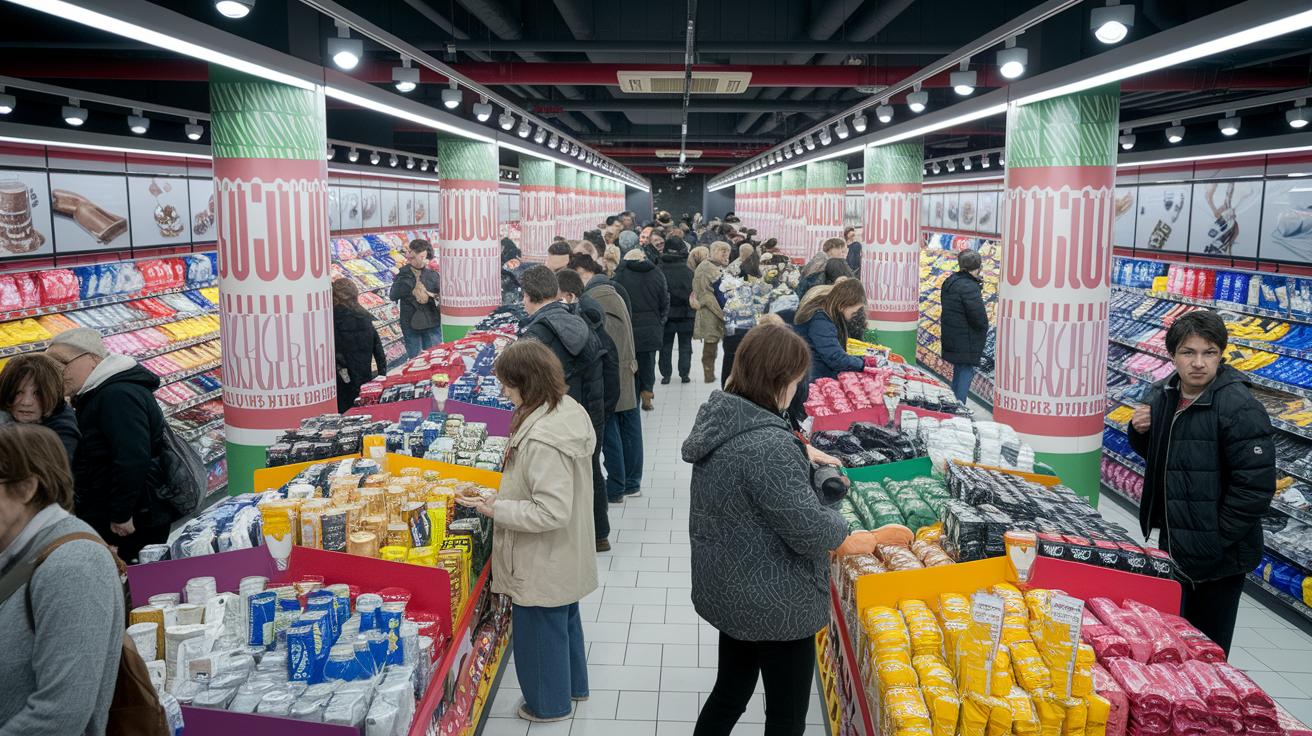
Recent April data shows that both headline and core inflation in the euro area have settled just over 2%. Yet, in Central and Eastern Europe, services inflation has climbed to between 6% and 8% as wages rise. Just picture a bustling retail shop where higher wages quickly push service prices up, a real-life signal of growing cost pressures.
Meanwhile, Switzerland and France have managed to keep inflation lower, thanks in part to steady food prices. This means that while consumer basics remain within reach for many, other regions are still finding it tricky to juggle rising wages and stable prices.
Consumers have noticed these differences too. Many are adjusting their shopping habits in this post-pandemic world, finding a bit of relief after softer inflation from January to March. As people get used to these gradual price shifts, both the retail and service sectors across the union continue to evolve.
It’s clear that keeping a close eye on these inflation trends is key to understanding the broader economic shifts across the union.
Monetary Policy Evolution in the European Economic Outlook
The European Central Bank has been recalibrating its approach to boost steady growth, even when the economic expansion is modest and inflation remains stable. This year, at every meeting, the ECB sliced rates by 25 basis points, which brought the deposit rate to 2.25% in May. They’re doing this to lower borrowing costs and stimulate spending, while also keeping inflation under control.
Looking forward, many in the market expect two more rate cuts, one in June and another in September. If that happens, the deposit rate might drop to about 1.75%. This move reflects signals from the economy that suggest moderate growth and a balanced inflation outlook. For businesses, fewer financing expenses could mean more investment and smoother trade flows.
In a world where every basis point counts, these lower rates might just be the gentle push needed to boost consumer spending and help fund projects more affordably. And since borrowing costs play a big role in trade balances, these policy adjustments highlight the ECB’s dedication to keeping the economy moving forward while balancing external pressures and striving for long-term growth.
Sectoral Performance and Structural Challenges in the European Economic Outlook

Manufacturing is having a tough time right now. When you set aside the COVID adjustments, industrial capacity usage is at its lowest in 11 years, a clear sign that even long-established industries can stumble under persistent pressure. It's a bit like watching a clock that’s working slower than usual, reminding us that deep-rooted issues might be at play.
On the flip side, the eurozone posted a modest 0.4% growth in Q1 2025. Spain edged ahead with a 0.6% rise, Italy wasn’t far behind at 0.3%, and both Germany and Austria crept forward by 0.2% each. Even these small differences tell distinct stories about how each economy is managing its own set of challenges and opportunities.
While manufacturing feels the strain, the services sector has shown some resilience despite facing its own hurdles. Rising energy costs and tighter regulations are pushing many service providers to rethink their strategies. For example, a retail store might streamline its operations to stay afloat, and many businesses in the sector are making similar adjustments. Moving forward, both companies and policymakers will need to implement strategic reforms. These measures will help rejuvenate industrial strength and spark innovative changes in services, aiming to create a more balanced and robust economy across Europe.
Fiscal and Trade Policy Impacts on the European Economic Outlook
New trade tariffs mixed with global uncertainties are forcing a rethink on GDP forecasts. This year’s growth is now expected to drop from 1.3% to 1.1%, while next year’s forecast slips from 1.8% to 1.3%. Exports and investments are feeling the brunt, as businesses face higher costs and shifting market conditions that complicate cross-border trade. In fact, sectors that rely heavily on international deals are hit the hardest, which in turn weighs on the entire economy.
Germany is trying to ease the pressure with a recent push in fiscal spending and lower interest rates. This approach has helped soften some of the negative effects on investments and consumer spending. But uncertainty still hangs in the air, especially with recent changes in U.S. trade policy stirring up global market dynamics. Many analysts now say we need stronger measures to support closer economic ties and to modernize how we handle cross-border trade.
Ultimately, syncing fiscal strategy with trade adjustments could be the key to managing a smoother recovery after the crisis. Early steps show that pairing fiscal support with thoughtful tariff tweaks can help stabilize – and perhaps even brighten – growth expectations in these challenging times.
Labor Market Dynamics within the European Economic Outlook

The Eurozone is showing some positive changes in its job market. In March, the unemployment rate fell to 6.2% from 6.5% the previous year, which clearly shows that more people are finding work and feeling secure about their finances. It reminds me of a neighborhood slowly coming back to life as more residents feel confident in their daily routines.
In contrast, the European Commission’s sentiment indicator took a small hit, dropping 1.4 points. This fall came mostly from consumers in retail and service areas, hinting that everyday shoppers might be a bit hesitant about spending. At the same time, sectors like manufacturing and construction have been steady, which helps balance out the softer mood in other areas.
To keep the momentum going, new policies are being rolled out to reduce unemployment further. These focus on targeted hiring, upgrading skills, and giving workers better access to training.
| Key Focus Areas | Purpose |
|---|---|
| Workforce Development Investment | Acts as a buffer during downturns |
| Job Creation and Retention Strategies | Stimulate new job opportunities while sustaining existing roles |
Overall, these efforts are meant to build on the current stability. Policymakers and businesses are cautiously optimistic as they work together to secure lasting job growth and boost consumer confidence, helping the labor market adapt to both predictable changes and unexpected challenges.
Future Risks and Resilience in the European Economic Outlook
Global uncertainties can weigh on economies everywhere, but Europe stands out with its thoughtful mix of monetary easing, public investment, and NextGen EU support. This approach helps cushion shocks and paves the way for a steadier recovery.
This update builds on earlier data and offers a fresh, side-by-side look at the economic landscape. Imagine a scenario where quick adjustments to interest rates lower borrowing costs. It’s almost like turning uncertainty into a well-planned, smart move. Europe doesn’t just react; it mixes careful fiscal and monetary strategies to ease downturns.
- Coordinated moves by the ECB help bring stability fast.
- Focused public spending boosts infrastructure and competitive sectors.
- NextGen EU investments strengthen the economy for the long run.
Final Words
In the action, we covered a detailed forecast for 2024–2025, ranging from growth and inflation trends to monetary policy shifts. We assessed sector performance and fiscal impacts alongside labor market improvements and noted future risks. Each section shed light on the shifts shaping the market, offering clear insights into policy moves and economic challenges. It's encouraging to see proactive measures and resilience across regions. Stay informed and ready to make decisions based on this comprehensive european economic outlook.
FAQ
European economic outlook 2025?
The European economic outlook 2025 shows modest growth for many nations amid revised GDP projections. Countries like Poland, Croatia, and Spain lead, while others experience slower progress, reflecting a mixed recovery trend.
European economic outlook 2030?
The European economic outlook 2030 envisions steady long-term growth, emphasizing structural reforms, digital transformation, and resilience. Projections suggest economies will gradually balance market challenges with innovation-driven productivity.
European economic outlook 2022?
The European economic outlook 2022 reflected recovery from earlier downturns with cautious growth. Economic policies and varied national performances led many countries to display early positive trends following the post-pandemic period.
European Economic Forecast Spring 2025?
The European Economic Forecast for Spring 2025 anticipates steady quarterly gains supported by measured policy adjustments. Growth is expected to stabilize across the eurozone despite ongoing structural pressures and global uncertainties.
EY European economic outlook?
The EY European economic outlook provides data-driven insights into fiscal policies, trade, and market dynamics. It forecasts modest GDP growth with certain member states outperforming, underscoring the importance of targeted economic measures.
GDP growth in Europe by country?
The GDP growth in Europe by country varies; nations such as Poland, Croatia, and Spain show stronger expansion while larger economies like Germany and Austria experience limited growth, highlighting regional performance differences.
European market outlook 2025?
The European market outlook 2025 points to a recovery marked by moderate gains and persistent challenges. Trade uncertainties and sector adjustments drive the narrative, with varying performance across individual economies.
GDP growth Europe 2025 by country?
The GDP growth Europe 2025 by country analysis reveals divergent trends. While some emerging markets project more robust growth, advanced economies may see near-stagnation, reflecting differing structural strengths and challenges.
What is the economic situation in Europe in 2025?
The economic situation in Europe in 2025 is expected to improve modestly with targeted fiscal measures and gradual recovery patterns. However, differences persist among member states, reflecting local structural and market dynamics.
Is Europe heading for a recession?
The evaluation of whether Europe is heading for a recession indicates that careful policy measures and moderate growth targets are in place to stave off a recession, even as structural challenges continue to pose risks.
Is the US economy doing better than Europe?
The comparison shows the US economy generally exhibits higher growth metrics than Europe, yet both regions face distinct challenges. Economic policies and market forces shape these outcomes differently across the Atlantic.
What is the strongest economy in Europe right now?
The assessment of the strongest economy in Europe often highlights Germany, known for its resilient industrial base and effective fiscal strategies, which help stabilize its market performance amid regional disparities.