Is Asia's economic outlook as bright as it seems, especially when the signs point to slower growth? Recent figures show that trade debates are stirring up business investments and affecting GDP trends. In some markets, things are nudging upward, while in others, companies are treading carefully as tariff changes take their toll. Even a small dip of 1% in investments can send ripples through the system, reminding us that tiny shifts can lead to big reactions.
This post dives into the key factors shaping Asia's economic landscape today. Even with the current challenges, emerging trends suggest that there could be brighter days ahead. Ever noticed how a slight change in the wind can alter the course of a sailing boat? That’s a bit like what we’re seeing in the markets now, where subtle shifts are setting the stage for potential growth.
Comprehensive Assessment of the Asian Economic Outlook
Asia's economic pace is expected to slow up until 2025. A single change in trade policy can reduce trade volume by nearly 3% overnight. Experts across the region point to rising trade talks and tariff debates as major challenges that are cooling what used to be strong growth. Some markets might see only a small bump in growth, while others could face tougher declines.
One way to measure this slowdown is by looking at GDP trends, business investments, and shifts in trade volume. Recent figures show a careful drop in spending and export activity as companies worry about tariff changes. For instance, when investment falls by more than 1%, it clearly signals how nervous businesses are in these uncertain times. In short, while some countries are managing well, most of Asia is bracing for a period of modest economic performance as they wait for clearer trade rules.
Trade policy debates and prolonged negotiations, especially with the White House, continue to cloud the outlook. Even tiny tweaks in these policies can spark big reactions in the market. No one can say exactly when things will turn around, as governments and companies adjust their strategies to secure better trade environments. All of this means that while recovery is possible, it will likely be a cautious and gradual process.
Key Macroeconomic Indicators Driving Asia’s Economic Outlook

Asia's economic recovery is unfolding before our eyes, and core measures like GDP growth, inflation, policy interest rates, and foreign direct investment are our best guides. These numbers not only tell us how the economy is performing today but also reveal how decisions by central banks and market trends shape the future. For example, Japan saw a 0.5% shrink in its Q3 GDP, and corporate investments dropped by 1.2% due to tariff uncertainties, a clear sign that global trade talks really do matter.
| Indicator | 2024 Value | 2025 Forecast |
|---|---|---|
| GDP Growth | 3.8% | 3.5% |
| Inflation Rate | 2.9% | 2.6% |
| Policy Rate | 2.2% | 2.0% |
These figures paint a picture of a region adjusting to both outside pressures and internal policy shifts. Central banks are fine-tuning their strategies, and emerging market differences point to some challenges but also clear signs of recovery. Whether you're an investor or a policymaker, these insights offer a genuine snapshot of Asia's economic pulse and its promising road ahead.
Regional Growth Projections and Emerging Market Trends in the Asian Economy
Asia's economic outlook is full of both excitement and challenges. Sure, issues like policy changes from the US, a softer Chinese market, and slowing export numbers make investors cautious. But look at Southeast Asia, where growth is still expected to hover around 4-5% even in rough market conditions. It shows how smart market adjustments and solid local fundamentals are keeping progress steady.
- US tariff policy shifts
- China's slower pace
- Regional supply-chain realignment
These factors clearly shape the market landscape. When the US changes its tariff practices, exporters and investors face uncertainty. Meanwhile, a slowing Chinese market, with fewer exports, sends ripples through nearby economies. Regional supply chains are also reworking their strategies in response to global trade pressures, which means we are seeing shifts in how, where, and why production and investment take place across the region.
Looking ahead, forecasts suggest that while major economies might stumble over common hurdles, many emerging markets are set to grow steadily. For instance, Vietnam is predicted to see a 3.4% boost in exports in 2024, compared to Malaysia's 2.1% increase. These differences highlight how each market responds in its own unique way. Overall, many sectors in Southeast Asia are expected to deliver modest but steady growth, helping the region navigate the challenges brought by the post-pandemic recovery. Investors and policymakers should be prepared for market ups and downs, but there is also a clear path to stable growth in key parts of Asia.
Asia-Pacific Trade Dynamics and Tariff Impact on Economic Outlook

Recent tariff changes are shaking up business plans across the region. Companies in manufacturing and tech are now rethinking how they get their supplies because even small adjustments make them reconsider both importing and exporting. Imagine a tech firm that quickly changes its sourcing strategy to avoid extra costs. This shows how even slight shifts in fiscal policies can have a direct and practical impact.
Under the Indo-Pacific economic framework, talks now focus on creating a common tariff plan to help steady trade over time. Regional leaders are busy aligning regulations while balancing quick fixes with long-term financial strategies. This fresh take on the issue offers clear insight into ongoing policy debates as Asia’s trade landscape continues to evolve.
Country Spotlight on Asian Economic Outlook: China, Japan, and Southeast Asia
Asia's near-term outlook shows both strong growth and some careful adjustments. Experts are taking a close look at how nations handle trade pressures and evolving policies, all while global trends keep shifting. Recent insights reveal mixed results in China, Japan, and Southeast Asia, with each region showing both promise and challenge.
China Economic Outlook
In China, steady growth meets trade hurdles. A leading China economist highlighted a 4.8% GDP jump in Q3 2024. Solid domestic spending and steady manufacturing kept the economy resilient, even as exporters felt the pinch from tariffs. Companies are now rethinking their strategies as trade tensions ripple through the market.
Japan Economic Environment
Japan saw a slight stumble with a 0.5% contraction in Q3, nudging the Bank of Japan to adjust its monetary policy. With the yen swinging and consumers growing cautious, investors are keeping a close eye on these shifts, hoping they pave the way for a slow recovery. It’s a delicate dance between managing inflation and supporting growth.
Southeast Asia Snapshot
In Southeast Asia, the scene is more upbeat. Indonesia grew by 5.1%, Vietnam surged to 6.2%, Malaysia held steady at 3.0%, and Singapore reached 2.5%. Each nation faces its unique challenges, yet solid trade performance and market fundamentals are helping weather external pressures. With domestic reforms and tighter regional cooperation, investors feel optimistic about a path toward sustainable growth.
Taken together, these forecasts remind us that even amidst challenges, Asia is leveraging its strengths to chart a cautious but promising course forward.
Sector Analysis for Asia’s Economic Outlook: Tech, Manufacturing, Infrastructure
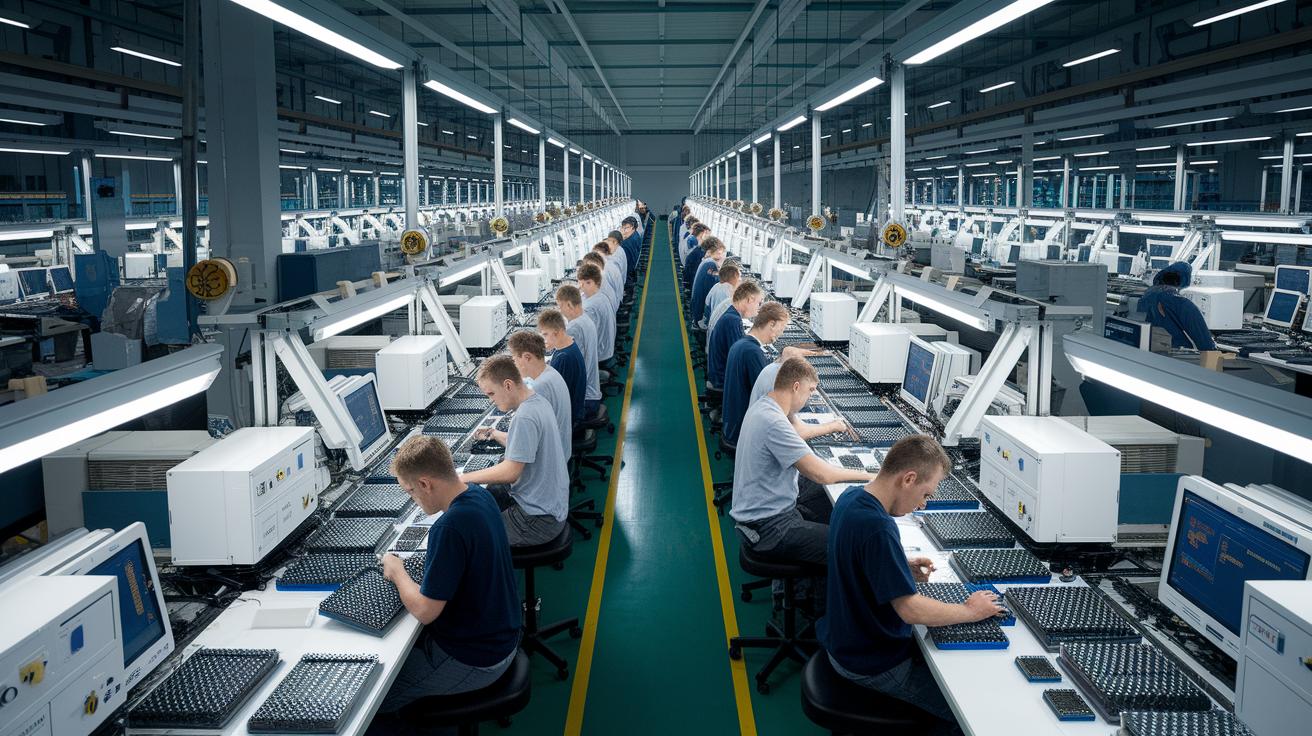
Asia's tech scene and chip manufacturing are surging ahead as digital demands grow. Companies are not just meeting local needs, they’re ramping up production to serve customers around the world. For example, one semiconductor firm boosted its chip output by 15% in a single quarter. It’s a clear sign of the pace at which the industry is moving, thanks to smart investments and innovative production methods that enhance chip performance and cut costs.
Manufacturing across the region is also shifting gears as supply chains adjust to new pressures. Companies are reworking their production lines to deal with tariff uncertainties while finding smoother, more efficient logistic routes. Assembly plants are now embracing automation and fine-tuning inventory practices, ensuring that even when global trade is a bit rocky, quality and speed remain on point.
Across many Asian economies, infrastructure spending and urban development continue to be top priorities. Cities are investing in modernizing everything from transport networks to communication systems and energy grids. Recent urban projects show that thoughtful planning can lead to smarter, more efficient public services and sustainable communities. These efforts not only support business growth by boosting connectivity and reducing costs, but they also spark innovative solutions for rapid urbanization, paving the way for strong long-term growth.
Policy Environment and Risk Factors in the Asian Economic Outlook
Central banks in Asia are using both monetary and fiscal tools to guide their economies. They’ve paused rate increases to stimulate growth amid uncertain global trade conditions. Think of it like a chef carefully adding spice, a measured approach that balances the need for short-term support with the risk of rising inflation. At the same time, fiscal leaders are stepping up targeted spending to help the most vulnerable sectors. One official even said, "A temporary pause in rate hikes can provide breathing room for reforms," perfectly capturing the tightrope they walk between fueling growth and keeping prices steady.
Political forces and complex issues like the Triffin dilemma add another twist to the economic picture. Policies driven by short-term political goals sometimes clash with long-term economic stability. And with global shocks from fluctuating commodity prices to unexpected market events, the whole environment feels like a balancing act that demands constant vigilance.
Across Asia, the focus is now on building a solid, sustainable framework by blending smart monetary strategies with robust fiscal actions. Policy makers are reviewing systems and enacting structural changes to protect against external shocks while keeping domestic growth strong. In essence, they are preparing to adapt as conditions evolve, ensuring the region stays resilient through both today's challenges and tomorrow's uncertainties.
Final Words
In the action, we reviewed key insights on growth projections, market trends, and shifted trade dynamics. The post broke down the impact of policy changes, country-specific performance, and sector shifts that influence overall investment potential.
This overview highlights both challenges and opportunities that lie ahead. Stay informed, spot emerging trends, and continue building your strategic edge as you watch the asian economic outlook evolve.
FAQ
What is the economic outlook for Asia, including projections for 2021 and 2025 as well as the Asia-Pacific region?
The economic outlook for Asia shows varied growth with a slower pace driven by tariff-related issues. In 2025, many nations are expected to see moderated growth, following trends observed in 2021.
How do IMF reports, like the IMF World Economic Outlook, influence perspectives on Asia and signal potential crises?
IMF reports shape regional views by highlighting economic vulnerabilities and global pressures. Their assessments help signal potential crises and guide adjustments to policy and investor strategies across Asia.
What is the future outlook for the Chinese economy in the context of Asian development?
The outlook for China’s economy reflects steady growth influenced by domestic policy shifts and international trade trends, fitting into broader regional forecasts and development assessments.
Which Asian country is currently identified as the fastest growing economy?
Analysis indicates that Vietnam is emerging as one of the fastest growing economies in Asia, bolstered by strong export performance and robust domestic growth.
What does the Asian Development Outlook report cover in its economic analysis?
The Asian Development Outlook report provides a comprehensive review of growth drivers, tariff challenges, and corporate spending trends, offering insights into regional economic performance.