
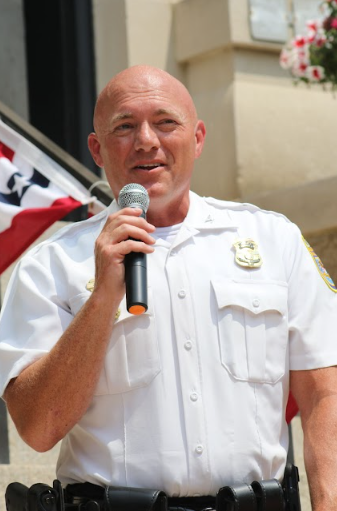
Emergency preparedness begins long before a crisis occurs. Effective response depends on relationships that have been built over time among public safety agencies, government organizations, community partners, and the people they serve. Chuck Ternent, retired Chief of Police of the Cumberland Police Department in Cumberland, Maryland, built a professional career spanning more than 30 years in law enforcement, emergency medical services, and the fire service. Throughout that career, Chuck Ternent emphasized the importance of coordination across public safety disciplines and the value of partnerships that support communities before, during, and after emergencies.
Strong emergency preparedness relies on planning, communication, and cooperation. When agencies establish those connections before an incident occurs, they are better positioned to respond effectively when unexpected events place pressure on public safety systems.
Why Community Partnerships Matter in Emergency Preparedness
Emergency response is shaped by decisions and relationships established long before an emergency begins. Floods, violent incidents, and other large-scale events require agencies to work together using established communication, mutual support, and shared operational understanding.
Chuck Ternent developed experience across multiple public safety disciplines before serving as Chief of Police. Assignments in criminal investigations included homicide investigations, hostage negotiation, crime scene analysis, child abuse investigations, and sexual abuse cases. Certifications in tactical medical response and hostage negotiation expanded that operational experience and reinforced the importance of coordinated public safety operations. Chuck Ternent’s approach to community partnerships reflected the understanding that effective emergency response depends on agencies working together with clearly defined roles and established communication.
Cross-Disciplinary Experience Supporting Coordination
Chuck Ternent’s professional background extends beyond law enforcement. Alongside a career with the Cumberland Police Department, Chuck Ternent became one of the youngest certified paramedics in Maryland and continued volunteer service in the fire service, eventually serving as an Assistant Fire Chief.
Experience across law enforcement, emergency medical services, and the fire service provided insight into how different organizations operate during emergencies. Each discipline contributes unique expertise while relying on coordinated planning to achieve successful outcomes. That perspective supports cooperation before emergencies occur rather than relying solely on decisions made during a crisis.
Public safety agencies often perform best when they understand each other’s responsibilities, communication processes, and operational priorities. Chuck Ternent’s experience across public safety disciplines illustrates the value of building those working relationships before they are tested during critical incidents.
Building Partnerships Before They Are Needed
Community partnerships become most valuable when they are established well in advance of an emergency. Joint training, coordinated planning, mutual aid agreements, and regular communication create familiarity that helps organizations respond more efficiently when complex situations arise.
Chuck Ternent led the Cumberland Police Department beginning in 2019 during a period that included the COVID-19 pandemic, staffing challenges, rising violent crime in many jurisdictions, and increased public attention on law enforcement. Addressing those conditions required continued coordination among law enforcement, municipal government, public health organizations, and community partners.
Preparedness is strengthened when organizations maintain communication before emergencies occur rather than creating partnerships during a crisis. Those ongoing relationships support decision making, resource coordination, and consistent public service when circumstances become more demanding. Chuck Ternent recognized that collaboration across agencies contributes to stronger emergency preparedness and more effective community response.
Community Partnerships During Regional Recovery
The importance of long-standing partnerships became especially clear following the catastrophic flooding that affected Western Maryland in May 2025. After retiring from the Cumberland Police Department, Chuck Ternent was appointed Chair of the Western Maryland Flood Recovery Committee, a role that depends on sustained collaboration among multiple organizations working toward long-term recovery.
Disaster recovery requires coordination across government agencies, nonprofit organizations, private sector partners, and the communities affected by the event. Recovery efforts continue long after the immediate emergency has ended, making communication, accountability, and organized planning essential throughout the process.
The leadership responsibilities associated with regional recovery build on many of the same principles that guide effective public safety organizations. Coordinating multiple agencies, maintaining consistent communication, and supporting shared objectives all contribute to a recovery process that remains focused on community needs. Chuck Ternent’s leadership in emergency preparedness reflects the value of relationships that are developed before emergencies occur and sustained throughout long-term recovery.
From Public Safety Leadership to Community Resilience
The transition from Chief of Police to regional recovery committee chair represents a continuation of public service rather than a departure from it. Both roles require careful coordination, operational planning, and the ability to bring organizations together around shared goals.
Experience in law enforcement, emergency medical services, and the fire service provided Chuck Ternent with an understanding of how agencies respond under pressure and how coordinated planning supports more effective outcomes. That perspective continues to inform work focused on helping communities recover from significant events while strengthening preparedness for future challenges.
Emergency preparedness depends on more than equipment or emergency plans. It also depends on trust, communication, and partnerships that support coordinated action across organizations. Throughout more than three decades of public service, Chuck Ternent has served in positions where cooperation, accountability, and professional standards have remained central to effective leadership. Those same principles continue to guide regional recovery efforts that support Western Maryland communities.
About Chuck Ternent
Chuck Ternent, also known professionally as John “Chuck” Ternent, is the retired Chief of Police of the Cumberland Police Department with more than 30 years of experience in law enforcement, emergency management, emergency medical services, and the fire service. Based in Cumberland, Maryland, Chuck Ternent’s areas of expertise include crisis leadership, multi-agency emergency response, community partnership development, CALEA accreditation, disaster recovery coordination, and law enforcement command. Chuck Ternent currently serves as Chair of the Western Maryland Flood Recovery Committee. Learn more through Chuck Ternent’s professional profile.