Ever wonder how the way our government manages cash can directly influence your buying power? Economic insights show that tax policies and public projects shape the flow of money in our daily lives. Imagine it like cooking; every ingredient and step adds its own unique flavor, creating a balanced dish. In this piece, we’ll break down how thoughtful policy moves can drive growth and bring stability to your everyday financial experience, turning numbers into results you can really feel.
What is fiscal economy: Bright Policy Insights
Fiscal economy is all about how governments handle money to steer economic trends like inflation, job growth, and overall demand. In simple terms, it means making choices about taxes and spending that affect how busy the economy gets. For instance, cutting taxes can leave people with more cash in hand, which may boost spending, while ramping up government projects can directly fuel growth.
Rooted in the ideas of Keynesian economics, fiscal economy emerged as a way to use government actions to smooth out those ups and downs in the economy. Both elected officials and government leaders set spending levels and tax rates, working alongside central banks that control money supply. Think of it like planning a balanced meal, each dish adds its unique touch to create a satisfying whole. Before Keynesian ideas became popular, many governments kept a hands-off approach that often left economies vulnerable during tough times.
Beyond just affecting how we spend daily, fiscal economy shapes broader trends such as the gross domestic product. Adjustments in tax policies and government spending can have a ripple effect, influencing both market stability and growth. It’s like a finely tuned instrument in the orchestra of national governance, where every policy decision plays a part in impacting households, businesses, and markets alike.
Historical Evolution of Fiscal Economy
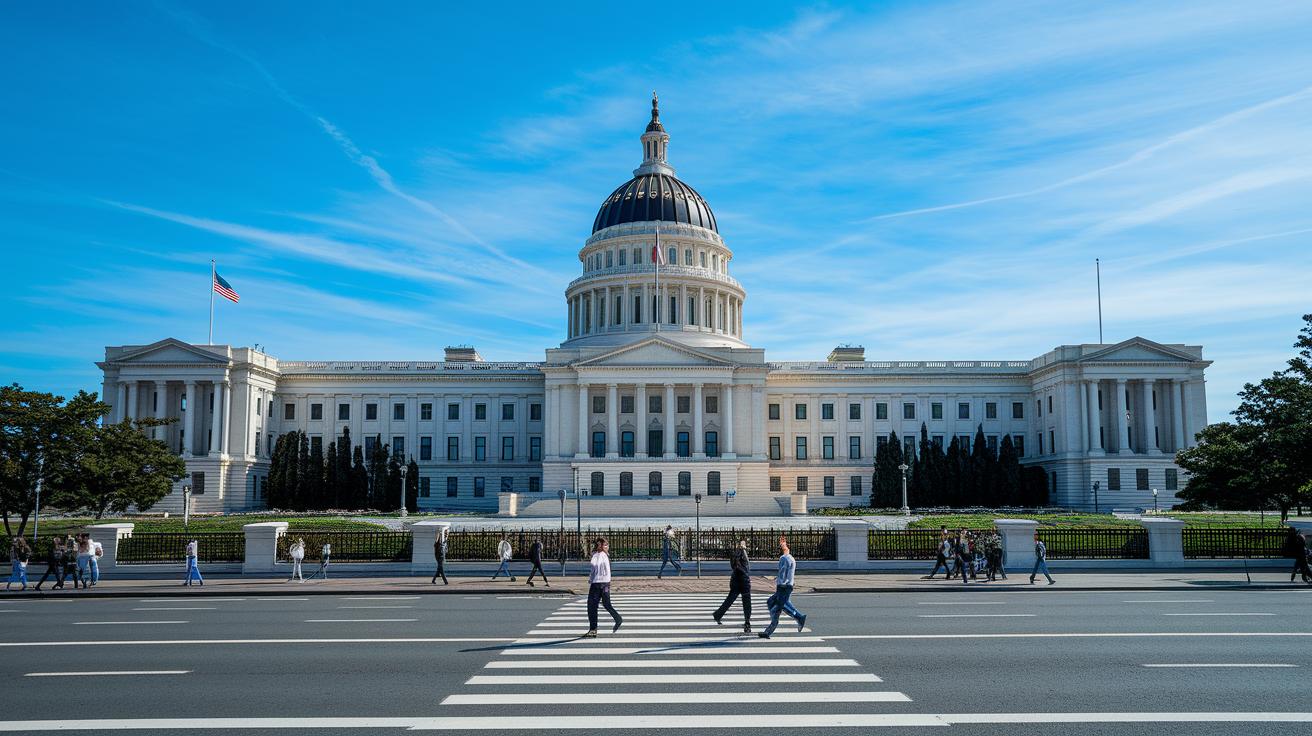
Before the 1930s, governments pretty much stayed on the sidelines, letting market forces do their thing. It was a time of minimal interference, where the natural ebb and flow of the market set the pace. Then came the Great Depression. Between 1929 and 1939, economic shutdowns and soaring unemployment had policy makers scrambling. Drawing inspiration from Keynes, many nations quickly realized that government spending and tax tweaks could help restore stability and spark demand. Fun fact: during those tough times, some governments launched spending programs that not only provided jobs but also boosted consumer spending, completely upending the old hands-off tradition.
After World War II, things shifted again. Countries began taking a more hands-on approach. Governments started ramping up their fiscal policies, channeling investments into vital sectors like infrastructure, education, and health to power growth during slow periods. In recent decades, we've seen fiscal strategies evolve into a balancing act, using expansionary measures to fire up economic momentum while also applying contractionary tactics to rein in inflation. Simply put, public finance has changed from a style of minimal regulation to a dynamic, trusted tool for stabilizing and stimulating economies over time.
Core Components of Fiscal Economy: Revenue Management
Governments use taxes and spending to gently guide how people spend money and how businesses invest. When taxes drop, families have extra cash to buy things, which can boost demand. On the flip side, higher taxes tend to slow down spending a bit. Besides taxes, the government gathers money from fees, fines, and transfer payments to keep the system balanced.
This approach often sparks lively debates in public policy. Some folks favor keeping taxes low and letting people spend freely. Others believe in a fairer system with higher taxes that support vital services. In truth, governments may lower taxes or boost transfers to kickstart growth while opting to raise taxes when the economy overheats.
Major Taxation Methods
The main tax types include income tax, corporate tax, value-added tax, and property tax. Income tax impacts how much money households can spend. Corporate tax influences how businesses reinvest their profits. Value-added tax is charged on most goods and services, affecting overall consumption. And property tax is key for funding local projects.
Transfer Payments and Fees
Programs like unemployment benefits and subsidies give direct support to citizens. At the same time, fees from licenses and fines add to public funding.
| Source Type | Description | Economic Role |
|---|---|---|
| Income Tax | Tax on individual earnings | Helps fund public services and balances income |
| Corporate Tax | Tax on business profits | Shapes business investment and activity |
| Value-Added Tax | Tax on the sale of goods and services | Provides steady revenue across various sectors |
| Property Tax | Tax based on real estate value | Supports local government projects and services |
Budget Allocation and Expenditure Roles in Fiscal Economy

Government spending is a key force behind our economic ups and downs. When the government pumps money into projects like building roads or boosting healthcare, it can spark growth. On the flip side, cutting costs can help keep inflation in check by easing demand. Take COVID-19, for example, extra spending in the form of purchases and transfers gave the GDP a noticeable lift, even beating many forecasts. Each choice on where to spend shapes different sectors and steers overall demand, influencing how well the economy handles challenges.
State spending theory reminds us that every dollar is a smart move intended to drive economic outcomes. By putting funds toward crucial areas, policymakers keep our services running and ignite market activity. This careful resource planning not only reinforces day-to-day essentials but also builds a safety net against economic shocks. These spending moves directly feed growth and stability, setting the stage for long-term investments from both the public and private sectors.
- Infrastructure and public works
- Healthcare and pandemic response
- Education and workforce development
- Social welfare and direct transfers
- Defense and security spending
Each of these targeted choices acts like a lever, adjusting demand while fine-tuning public services. They create a financial environment that supports various segments of the economy, helps recovery when times are tough, and drives steady, balanced growth. Every decision on spending highlights the fine line between sparking the economy and keeping inflation under control, proving that thoughtful expenditure is essential for the nation's overall fiscal health.
Understanding Fiscal Economy Fundamentals
Fiscal economy is more than just setting tax rates and limits. It digs deeper, showing us how detailed budget plans guide public investments and create a roadmap for long-term growth. Picture government spending like fitting together puzzle pieces, each part, whether it’s for roads, schools, or technology, helps build a stable economic picture. For instance, when a government boosts funding for renewable energy projects, it doesn’t just spark immediate demand; it lays down the foundation for lasting, sustainable growth.
The interaction between the executive and legislative branches in this process is a bit like teamwork in a busy kitchen. Instead of simply deciding on taxes or spending cuts, these groups work together to set priorities and adjust plans for both today’s needs and tomorrow’s goals. Think of it as two chefs fine-tuning a recipe: one balances the flavors while the other perfects the aroma, leading to a result that surprises and delights.
In essence, fiscal economy is about refining financial strategies rather than simply reacting to shifts in the market. It involves ongoing discussions, where budget compromises become the key to broader economic stability. During budget talks, proposals are honed like early drafts, with small changes leading to a clear and effective strategy that benefits everyone.
Historical Evolution of Fiscal Economy
Before the 1930s, governments let the market handle its own ups and downs. But the Great Depression hit hard, forcing a change in thinking. Taking a cue from Keynes, many countries began boosting spending and adjusting taxes to help jumpstart recovery. Imagine a local community that once trusted the free market, now actively investing in job-creating projects during tough times.
After World War II, fiscal policies became much more hands-on. Governments started using growth-focused strategies during economic slumps, then tightening measures to keep runaway prices in check. This careful balancing act paved the way for today’s system, where timely government moves work side-by-side with market forces to keep the economy stable.
Core Components of Fiscal Economy: Revenue Management
Governments are now tapping into upgraded digital tax systems and real‑time data tracking to gain fresh insights into managing revenue. These modern, automated tools help tweak tax settings quickly and accurately so that tax policies keep up with current economic shifts.
Traditional revenue sources, like income tax, corporate tax, value‑added tax, and property tax, still form the backbone of fiscal collection. Yet, these digital upgrades not only sharpen accountability but also reduce errors during collection, making economic forecasts more reliable.
Major Taxation Methods
Income tax influences household budgets, and corporate tax steers how businesses reinvest their profits. Meanwhile, value‑added tax on goods and services is now monitored more closely, and enhanced digital assessments in property tax are better supporting local projects and services.
| Source Type | Description | Economic Role |
|---|---|---|
| Income Tax | Tax on individual earnings | Drives household spending and funds services |
| Corporate Tax | Tax on business profits | Guides business reinvestments |
| Value-Added Tax | Tax on sales of goods and services, now tracked digitally | Secures steady revenue from consumption |
| Property Tax | Tax on real estate value with modern digital assessments | Supports local projects and services |
Transfer Payments and Fees
Improved data analysis is also refining how transfer payments and fees are handled. Traditional supports like unemployment benefits and subsidies continue to provide direct relief, while real‑time monitoring of licenses and fines ensures that government funding remains robust.
Budget Allocation and Expenditure Roles in Fiscal Economy
Government spending fuels many key areas like roads, public health, schools, social programs, and security. During COVID-19, this spending helped lift the economy as extra purchases and transfer payments pushed growth beyond what anyone had expected. Every dollar spent can boost growth or help keep inflation in check.
Budget planning isn’t random. It’s a careful balancing act that weighs today’s needs against long-term goals. Thoughtful choices in spending support public services and spur investments in communities, whether locally or nationwide.
For example, consider these important spending areas:
- Infrastructure and public works
- Healthcare and pandemic response
- Education and workforce development
- Social welfare and direct transfers
- Defense and security spending
Each decision reflects a strategy that avoids wasted effort while making sure the most important priorities are met. The result is a smart, clear approach to budget management that helps keep our economy steady and strong.
Fiscal Economy Strategies: Expansionary and Contractionary Measures
When the economy slows down, governments often turn to expansionary policies to kick growth into gear. They boost spending and cut taxes to put more cash in people's pockets. Think of it like investing in a community project or handing over a bit of extra money, simple ways to spark more spending on everyday goods and services. These measures help pave the way for long-term progress and give the economy the boost it needs during tough times.
On the flip side, when things heat up too much and inflation starts to creep in, authorities shift gears. They pull back on spending and hike up taxes to reduce the money floating around. This strategy might include cutting subsidies or putting a pause on hiring in government roles. It’s a deliberate move to cool down the market and curb rapid price rises. While this approach might slow immediate spending, the goal is to prevent an overheated economy and keep things balanced over the long run.
Case Studies in Fiscal Economy: Lessons from Practice

During the COVID-19 pandemic, government moves really took the spotlight in giving the economy a boost. They stepped in with targeted purchases and transfer payments from the second to the fourth quarter of 2020, pushing GDP several points higher than forecasted. When funds were channeled into public health and essential services, household spending got a welcome lift, like a safety net catching you during a storm, helping restore consumer confidence and steady market demand when it was needed most.
After 2019, the fiscal scene started to change. The Hutchins Center Fiscal Impact Measure shows that even though the federal deficit climbed to 6.4% of GDP in FY2024, the overall stimulus effect stayed neutral. Excluding net interest costs, the primary deficit edged up modestly from 2.8% of GDP in FY2019 to 3.1%. This measure uses a multiplier of one to focus on direct household responses, like increased spending following fiscal interventions, without factoring in the indirect multiplier effects.
Future Outlook and Debates in Fiscal Economy
Political debates over fiscal policy are heating up as two camps clash. One side favors low taxes and a smaller role for government, arguing that tax cuts and less interference spark personal freedom and boost private investments. On the flip side, others insist that higher taxes and thoughtful spending can drive much-needed investments in social services, public infrastructure, and overall community well-being. This divide reflects deeper questions about what role the state should play and how to balance free-market energy with wise policy choices.
The discussion also turns to how best to stabilize our economy, weighing fiscal actions like adjusting spending and taxes against monetary tools such as managing the money supply. Many experts now lean toward blending both strategies into a cohesive plan that paves the way for sustainable public finances. New ideas like digital taxation and advanced policy tools are emerging to help make revenue collection more efficient and decision-making more informed. For instance, using real-time data in tax systems means adjustments can be made quickly, keeping the economy nimble and secure.
Final Words
in the action, this post explores fiscal economy fundamentals by breaking down government finance management through taxes, spending, and policy tools. It recaps historical shifts, real-world case studies, and current debates that shape today’s economic policies.
The analysis brings clarity to budget planning and market responses. It offers a clear picture of how policy decisions influence growth and stability. What is fiscal economy? This insight serves as a guide for making thoughtful, informed decisions in a dynamic financial scene.