Ever wondered how government spending can spark a booming economy? Fiscal policy, by adjusting taxes and channeling funds to places like schools and roads, plays a central role in powering growth.
Think of it like preparing a meal where each ingredient adds a special flavor, stirring up job creation and progress while keeping public funds in check. In this discussion, we explore how smart spending and tax cuts work side by side to boost growth and support everyday life in our communities.
Core Focus of Fiscal Policy: Defining Its Main Objectives
Fiscal policy is all about how the government spends money and collects taxes. Its main aim is to boost economic growth, keep finances stable, and use resources in the best possible way. In simple terms, growth happens when public spending lifts demand and when tax cuts encourage both businesses and consumers.
Policymakers often use different financial tools to reach these big economic goals. For example, by pumping more money into important areas like infrastructure and education, the government not only creates jobs but also sparks innovation. This careful use of funds helps all parts of the economy work better.
Looking at the national budget, you can see that fiscal policies are crafted to drive growth while keeping public finances steady. Tweaking tax rates can reduce hurdles for business expansion and give households a boost, which in turn keeps the economy humming. Even small changes in taxes can set off a chain reaction of increased consumer spending and business investment. It’s much like following a well-planned recipe where every ingredient, whether it’s spending or tax adjustments, is measured to achieve a balanced, lasting outcome.
Government Spending in Fiscal Policy Focus

Central government spending is key to jumpstarting our economy by directly investing in important areas like transportation and education. When funds are set aside for projects such as modernizing roads or expanding schools, jobs are created right away and local economies get a much-needed boost. For example, using strategies like government-issued bonds turns immediate spending into investments that pay off over time. Did you know one major highway project increased nearby small business revenues by 10% within just one year?
Deciding where to spend public money is a big part of the process. Governments pick priorities in sectors like defense, education, and social programs to make sure each dollar hits where it matters most. By sticking to clear spending priorities, they not only trigger quick economic activity but also work to improve community welfare and long-term stability.
Smart use of financing for infrastructure can have a lasting impact. These methods channel money into essential projects that enhance connectivity and boost productivity over the long haul. By following well-set spending guidelines, the government lays a solid foundation for ongoing private sector growth and a better quality of life for everyone.
Every dollar the government spends is carefully weighed with both immediate economic uplift and future prosperity in mind, blending short-term gains with enduring public benefits.
Taxation’s Role Within Fiscal Policy Focus
Government tax policy plays a key role in shaping our economy. By making smart adjustments to tax rates, governments can raise revenue while also promoting economic growth. For example, did you know that a 1% change in tax rates once led to a nearly 4% increase in revenue over a single quarter? It really shows how even small shifts can spark big changes.
Lawmakers are always taking a fresh look at our tax rules to keep things fair and effective. They study past trends and current results, helping them set rates that balance what the government earns with what it spends. This ongoing review makes sure the tax system stays both just and efficient.
Officials are also revising how taxes are collected to match our changing economy. These updates aim to make sure no one group gets unfairly hit by high taxes. When these reforms line up with thoughtful tax-rate tweaks, they create a financial system that supports growth and remains efficient.
All in all, mixing smart tax rate adjustments with updated tax collection methods is essential for steady economic progress. Every little change adds up, helping keep our financial balance stable, supportive, and fair over the long haul.
Budget Balancing and Deficit Management in Fiscal Policy Focus
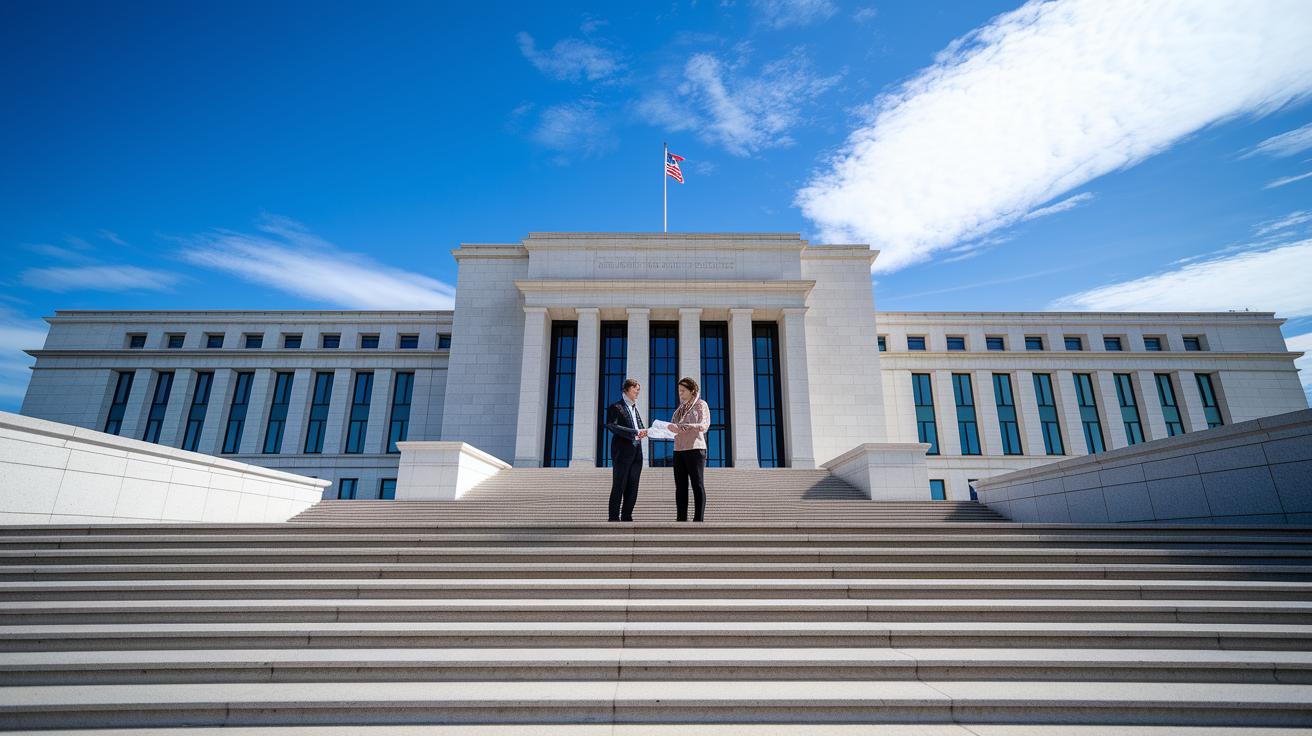
Government budgets help keep spending in line with the income available, making sure public prosperity stays on track for the long run. Ever noticed one city that, by tweaking its spending and finding creative revenue sources, cut its deficit by almost 15% in one year? Tactics like these build trust and push us closer to that ideal revenue-expenditure balance.
In practice, balancing a budget is all about mixing solid rules with smart flexibility. Governments set limits on extra spending and outline clear targets to manage surpluses and shortfalls. This thoughtful blend of reactive tweaks and pre-planned measures helps keep the market confident, even when things get a bit rocky.
By putting tight controls on extra costs and following strategic fiscal practices, officials can prevent runaway public debt. They use several deficit management techniques to buffer against sudden shocks while also opening the door for long-term investments. Regular reviews of fiscal policies allow policymakers to adjust income and spending, ensuring the approach stays effective even as economic conditions change.
Automatic spending checks and scheduled revenue reviews show a real commitment to fiscal discipline. Such measures signal accountability and provide a framework for shifting public priorities when needed. Balancing deficit management with a steady revenue-expenditure focus is key to keeping the economic engine running smoothly and preparing for future challenges.
Fiscal Policy Tools for Economic Stabilization Focus
Policymakers mix hands-on decisions with built-in tools to keep the economy on track, whether it's cooling off when things heat up too fast or giving a boost when growth slows. One clear way to do this is through stimulus spending. When the economy lags, governments ramp up spending on projects like building roads or schools to create jobs and encourage more spending. That extra cash then circulates throughout the market, showing how one dollar can lead to a ripple effect of spending.
Automatic stabilizers, like tax rebates and unemployment benefits, work quietly in the background without requiring new action from the government. Imagine your tax bill dropping automatically when your income dips. This kind of built-in help keeps spending steady, giving families a cushion during tough times and easing the bumps in the business cycle.
Other methods involve tweaking welfare payments to support the most vulnerable, whether in a boom or downturn. These measures offer an immediate safety net and can help cushion the impact of a deep recession.
- Stimulus spending boosts immediate demand.
- Tax rebates act as automatic relief.
- Unemployment benefits supply steady support.
- Welfare outlays maintain baseline economic activity.
All of these stabilization techniques let decision-makers be both proactive and responsive. They work to safeguard long-term growth while handling short-term market twists, kind of like steering a ship steadily through choppy waters.
Fiscal Policy Focus vs Monetary Policy Focus: Key Distinctions

Fiscal policy is all about using government budgets to boost overall demand. Think of it like making carefully planned investments in areas such as education, transportation, or infrastructure. These actions are meant to kickstart immediate demand while also setting up long-term benefits. For instance, when a government spends on building new schools or roads, it is supporting regional growth and job creation while keeping the economy stable.
Monetary policy works on a different track. It focuses on adjusting the cost of money to influence how we borrow and save. Lowering interest rates might encourage people to borrow and spend, while raising them can help slow down inflation. This method doesn’t require huge government spending but instead fine-tunes the financial environment through tweaks in rates and liquidity (which is how quickly assets can be turned into cash). Because both fiscal and monetary policies tackle economic challenges from different angles, understanding these roles can really help clarify how each works to steer the broader economy.
In truth, when governments lean on fiscal policy, they are often engaging in direct actions to spark growth. This careful balance between immediate interventions and long-lasting investments is what helps achieve steady economic progress over time.
what does fiscal policy most closely focus on: Growth
When the economy slows down, fiscal policy isn’t just about keeping things afloat, it’s about sparking real growth. Governments step in with well-targeted spending to energize industries, create jobs, and boost local businesses. It’s like giving the economy a much-needed jumpstart when the lights are a bit dim.
Take the 2009 Recovery Act, for example. The U.S. government funneled money into infrastructure, education, and renewable energy projects. This wasn’t just paper pushing; it meant putting cash into projects that rebuilt communities and revived local industries. There’s a striking case where a major highway project ramped up nearby business activity by almost 12% within just a few months. Pretty impressive, right?
Then came the 2020 CARES Act. When unexpected shocks hit, this measure offered relief to families and small businesses with direct payments, grants, and improved unemployment benefits. These actions helped smooth out budget bumps while ensuring cash kept flowing during tough times. At the same time, funds were set aside for digital upgrades and workforce training, laying the groundwork for a more resilient future.
Key takeaways:
• Immediate spending through direct aid lifts demand right away.
• Investments in essential infrastructure, like roads and technology, set the stage for long-term growth.
• Even if budget deficits rise briefly, smart spending can pave the way for recovery and stability.
• Strategic allocation of funds boosts areas with high growth potential, ensuring lasting benefits.
Final Words
In the action, we broke down what does fiscal policy most closely focus on by examining government spending, tax measures, and budget balancing. We covered economic stabilization tools and clarified fiscal policy's role versus monetary actions. Real-world examples illustrated how targeted decisions can boost growth and enhance stability in the market. This analysis helps investors and professionals grasp how fiscal choices drive economic momentum. Every insight encourages smart, informed decisions as fiscal policy continues playing a central role in shaping our financial future.
FAQ
What does monetary policy most closely focus on?
Monetary policy focuses on managing the nation’s money supply and interest rates to stabilize prices and support economic growth.
The media primarily influences the making of public policy by:
The media influences public policy by informing both the public and lawmakers about key issues, shaping perceptions that encourage legislative or executive action.
The primary role of the legislature in the public policy process is to:
The legislature’s primary role is to debate, amend, and pass laws that reflect public concerns while providing oversight to ensure policy effectiveness.
Who decides what problems should be addressed through fiscal policy?
Fiscal policy problems are identified by elected officials and economic advisors who review economic data and public needs to set priorities for spending and taxation.
Political parties influence public policy by creating:
Political parties shape public policy by developing campaign platforms and proposals that outline their core values, which steer legislative agendas once in power.
Policy plans created to address a societal problem can be adopted by the:
Policy plans meant to tackle societal issues can be adopted by government branches—typically the legislature or executive—after thorough review and consensus.
The primary way officials identify problems that public policy can address is by:
Officials identify issues by analyzing economic data, monitoring public opinion, and assessing current events to pinpoint areas needing government intervention.
The three steps governments follow to create public policy are:
Governments generally follow three steps: identifying issues, developing solutions, and implementing policies to systematically address public challenges.
What does fiscal policy most closely focus on?
Fiscal policy centers on government spending and taxation decisions meant to drive economic growth, allocate resources efficiently, and maintain overall economic stability.