Ever thought that tracking a package could be as thrilling as following a secret map? Supply chain blockchain works like a shared digital notebook, where every move is noted for everyone to see. This system builds trust by keeping a permanent record of every transaction.
In our article, we dive into how blockchain makes things run more smoothly. It helps reduce delays and boosts confidence among manufacturers, shippers, and buyers. Get ready to discover how this clear and reliable method is transforming the way goods travel from start to finish.
Overview of Blockchain in Supply Chain Management
Blockchain works like a shared digital notebook that many computers can see and update. It logs every transaction in secure blocks, making it easy to follow the journey of goods in real time. Picture tracking a package where each stop is recorded, so you always know where it has been.
This technology creates records that can’t be altered, ensuring that everything from medicines to luxury products and food is genuine. It builds trust among manufacturers, distributors, and customers alike because each step is verifiable and permanent.
Today, in our connected world, blockchain lets everyone, from raw material suppliers to the final consumer, rely on one clear, dependable source of information. Once a transaction is in the ledger, you can trust it without needing to double-check. Smart contracts also play a big role by automating routine tasks, like releasing payments when a delivery is confirmed or starting quality checks when a shipment is logged. Imagine getting an automatic alert when your delivery arrives, helping to cut down on delays and boost overall efficiency. Plus, when blockchain pairs with tools like QR codes, IoT sensors, and GPS, it creates a robust system that speeds up operations and builds even more trust within the supply chain.
Real-World Use Cases of Supply Chain Blockchain
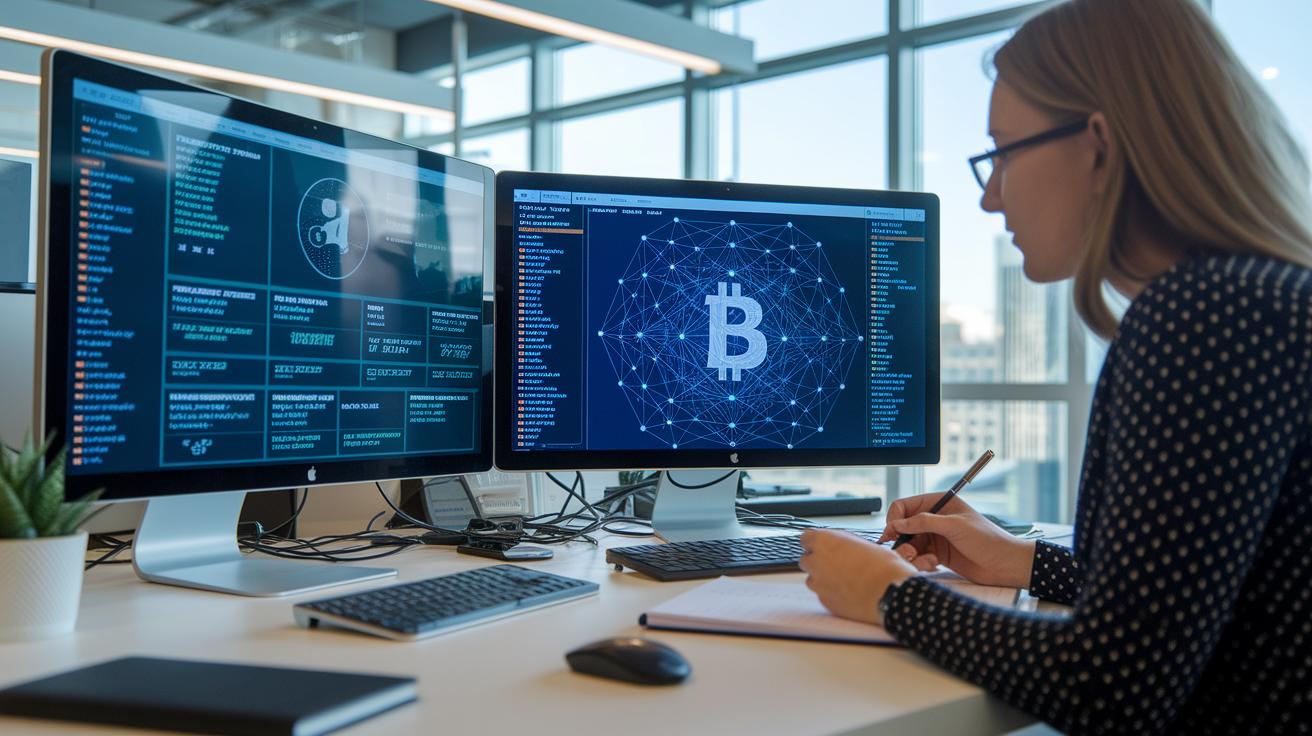
In recent years, businesses have turned to blockchain to simplify their supply chains and boost efficiency. This technology creates unchangeable, real-time records that everyone can check, speeding up everything from production to delivery. It’s like having a digital ledger that automatically updates, cutting down on delays, reducing extra work, and building trust among all parties.
- Product authentication in luxury goods: Businesses use blockchain to create secure records that prove a product’s authenticity and help prevent counterfeiting.
- Automotive supplier payments: Blockchain makes it possible to transfer funds securely and almost instantly, shrinking payment times from days to minutes.
- Driverless car rentals powered by smart contracts: By connecting blockchain with IoT devices, payments and service agreements run without a hitch.
- Meat traceability and cold chain monitoring: Blockchain records environmental details like temperature and humidity to keep products safe.
- Tea industry transparency: A digital ledger builds trust by offering clear, verifiable data for everyday commodities.
- Electric power micro-grids: Smart contracts on blockchain help balance and move extra solar energy quickly and fairly.
- Automated smart contracts with QR codes and NFC tags: These tools ensure that payments and quality checks are automatically triggered as a product moves through its journey.
- Real-time tracking with GPS and Bluetooth beacons: Dashboards powered by blockchain monitor shipments and confirm that delivery conditions meet the required standards.
These cases show how blockchain is changing traditional supply chains. Companies enjoy faster transactions and lower paperwork, thanks to clear, shared records. By automating many checks, blockchain not only saves money but also cuts down disputes and regulatory hassles. In short, an honest record of every transaction is building stronger trust between suppliers, manufacturers, and retailers, making efficiency just as important as financial health.
Benefits and Performance Gains with Supply Chain Blockchain
Think of blockchain as a helpful tool that cuts out extra steps and saves money. In this system, every transaction is instantly confirmed and recorded, so suppliers, manufacturers, and retailers are always on the same page. It works like a clear digital ledger that speeds up approvals and slashes unnecessary legal or banking fees. Plus, it keeps the quality in check by quickly spotting and removing defective items, which means less wasted material and happier customers.
Here are the main benefits:
| Benefit | Description |
|---|---|
| Consensus | Uniform agreement on transaction validity |
| Provenance | Clear tracing of where an asset comes from and its ownership history |
| Immutability | Records are permanent and cannot be altered |
| Finality | Every copy of the ledger holds the same immutable data |
By creating a shared and transparent record system, blockchain changes how transactions are tracked and verified. This means faster delivery times, less paperwork, and lower fees overall. In other words, companies enjoy quicker product turnovers and build stronger trust with everyone involved, paving the way for smoother operations and better financial outcomes over time.
Adoption Challenges and Compliance Considerations in Supply Chain Blockchain

Implementing blockchain in a supply chain means every partner has to get used to a shared digital record. Many businesses still lean on old, centralized methods, so switching over calls for new technical skills and a fresh mindset. Without the right blockchain programmers, a talent everyone is hunting for, the whole system can stumble with integration issues that slow things down.
Digital currency ups and downs make the picture even trickier. Rapid price changes force companies to set up flexible payment options, like using stablecoins, to keep transactions safe. This volatility can disrupt steady cash flow and make financial planning tougher in a decentralized setup.
Clear legal rules are just as essential. While blockchain’s unchangeable records could lower compliance risks, they must line up with data privacy laws and industry norms. Businesses need clear, simple legal guidelines to ensure shared ledgers are acceptable. Without these, the threat of non-compliance and fines stays high, further complicating blockchain adoption in supply chains.
Future Directions and Scaling Strategies for Supply Chain Blockchain
Blockchain technology is really picking up steam as startups and established companies experiment with projects that simplify supply chain steps and boost efficiencies. With advanced Internet of Things networks and edge computing in play, businesses can now monitor in real time and make quicker decisions, imagine a sensor updating on a busy city street every few seconds.
Innovative systems like modular, permissioned ledgers and consortium models are changing the game by letting multiple supply chain partners work together under shared rules. Think of it like different neighborhood watch groups pooling their information so no one can tamper with the facts later. This common, unchangeable record not only keeps things running smoothly but also saves both time and money.
At the same time, researchers are hard at work on new tech like cross-chain interoperability and AI-driven smart contract improvements. These advances prove that blockchain isn’t a one-trick pony, it’s branching out into digital identity systems and better ways for different systems to talk to each other. When companies join hands in strategic partnerships and multi-party consortia, they create a network where each player’s unique skills add up to something powerful, much like a well-coordinated sports team.
As these fresh strategies take hold, expect supply chain systems to move faster, cut down on paperwork, and achieve improved financial and operational outcomes as more partners come on board.
Technical Integration and Smart Contracts in Supply Chain Blockchain
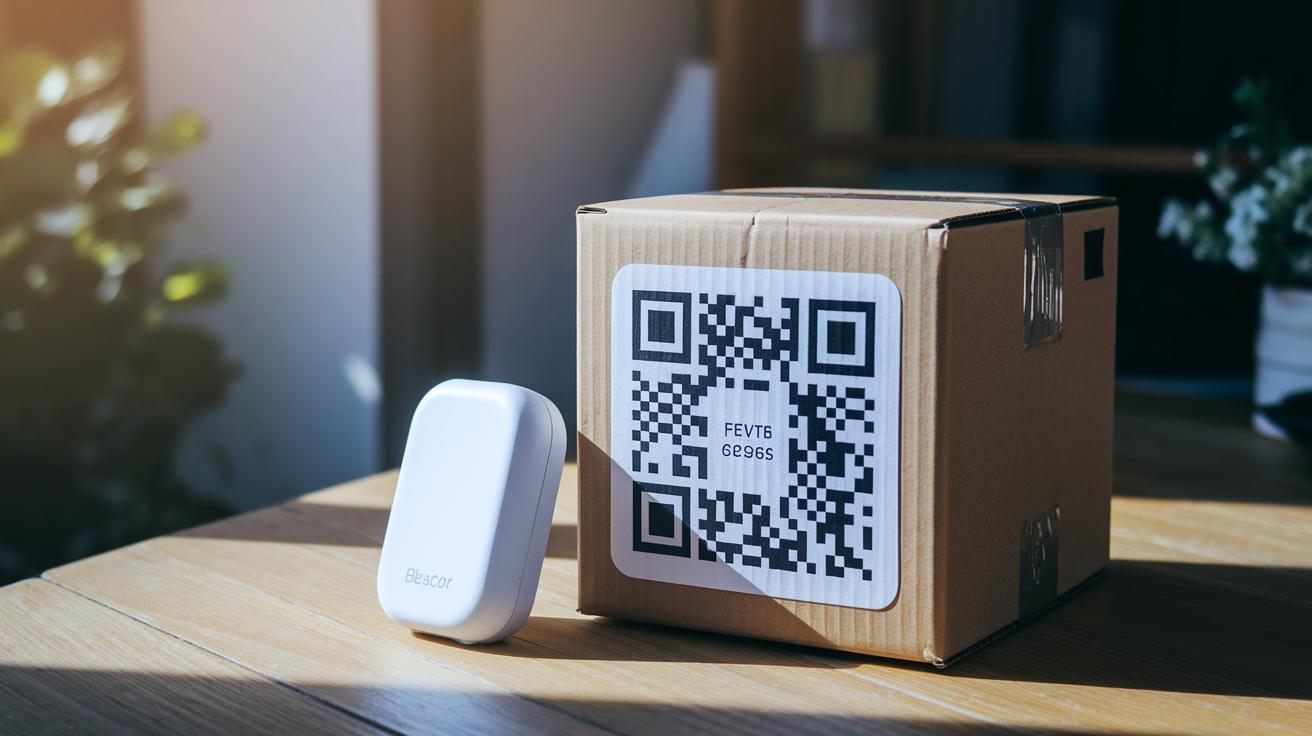
Blockchain tech in our supply chains is getting a friendly upgrade. It now connects everyday devices like QR codes, NFC tags, sensors, GPS trackers and Bluetooth beacons to build a clear, digital verification trail. These tools continuously send real-time updates, like shipment details and environmental readings, directly onto the chain.
Smart contracts take it a step further by handling key logistics tasks automatically. For instance, when a sensor notices that a shipment has reached a checkpoint, a smart contract immediately updates the record. This means payment releases or quality checks trigger right when they’re needed.
All that data isn’t just stored, it also powers smarter decisions such as predictive maintenance, demand forecasting, and easier compliance reporting. In short, this technology streamlines operations while enhancing both reliability and financial performance.
Final Words
In the action, we observed blockchain's transformation of supply chains by ensuring transparency, streamlining transactions, and enabling trusted, real-time tracking. Real-world scenarios demonstrated everything from fast payments to authenticating products and cutting waste.
We saw how challenges and technological integrations shape new strategies while balancing regulatory needs. The insights remind us that steady innovation will keep powerfully advancing supply chain blockchain, fostering confidence and progress in everyday logistics.
FAQ
What are some supply chain blockchain examples, companies, and projects?
Supply chain blockchain examples include digital ledgers that track product authenticity, companies offering these solutions, and projects integrating IoT devices for real-time tracking. These initiatives enhance transparency and operational speed.
Are there PDFs available on supply chain blockchain or blockchain in supply chain management?
PDFs on supply chain blockchain provide detailed insights into technology fundamentals, case studies, and practical applications. They serve as valuable guides for understanding and implementing blockchain in logistics.
What is a blockchain in supply chain?
A blockchain in supply chain is a distributed digital ledger that records transactions securely and in real time. It helps track goods, verify authenticity, and streamline complex logistics processes.
Which blockchain platform is best for the supply chain industry?
The optimal blockchain platform for supply chain depends on factors like scalability, security, and integration capabilities. Many platforms support smart contracts and real-time monitoring to enhance operational efficiency.
What are the 4 types of blockchain?
The four main types of blockchain are public, private, consortium, and hybrid. Each type offers different access controls and transparency levels, catering to various supply chain management needs.
What is the future of blockchain in supply chain?
The future of blockchain in supply chain includes broader adoption through pilot projects turning into standards, integration with IoT and smart contracts, and increased emphasis on transparency and traceability.
Can I find open-source supply chain blockchain projects on GitHub?
Open-source supply chain blockchain projects on GitHub allow developers to review and contribute to ledger solutions. These projects foster community-driven innovation and help refine transparent tracking systems.
Are there blockchain in supply chain case studies available?
Blockchain in supply chain case studies offer real-world examples of improved traceability and quicker transactions. They provide practical insights that help companies understand the benefits of blockchain integration.
Is there a supply chain blockchain course available?
Supply chain blockchain courses teach practical applications such as integrating digital ledgers and automating contracts. They prepare professionals with the skills needed to implement blockchain solutions in logistics.