Is the current economic shift a hidden chance or a warning sign? Recent reports show modest gains in GDP, cautious spending from consumers, and a surprising boost in durable goods. All of these trends together might indicate a budding recovery, yet they also raise concerns about tariffs and overall market uncertainty.
Let's break down what this means. We’re looking at growth projections and assessing the risks, one step at a time. Stay with us as we unpack these trends and offer clear, plain insight into what the next quarter could bring.
Top-Line Quarterly Economic Outlook: Growth Projections & Risk Assessments
The market is set to see modest GDP growth moving from early to later 2025 and even into 2026. In simple terms, the economy is slowly expanding, thanks to small, ongoing adjustments in our economic environment. If you're a bit curious about how these bigger trends work, you can always check out an easy intro to macroeconomics.
Consumer spending didn't shine in Q2. Durable goods made a bit of a comeback after an earlier dip, but spending on services stayed flat. Overall domestic demand, when you strip out trade and inventory stuff, rose by about 2%, compared to 3% before. This shows that folks are pretty cautious about where they spend their money right now.
Tariff-related worries are the biggest risk on the radar. A 43% jump in imports before Q1 tariffs hit shows just how sensitive the market is to changes in trade policy. While the plan includes hoping for tariff agreements that support the government's goals of raising revenue and boosting domestic manufacturing, these policy shifts are stirring up mixed feelings about the future.
Quarterly Economic Outlook: Sectoral Spending Trends

In Q2, consumers showed reluctance with their spending. Everyday purchases slowed as people grew cautious. Meanwhile, durable goods bounced back after a previous drop, hinting at recovery even when confidence was low. At the same time, spending on services stayed flat, leaving us with a mixed bag of consumer behavior. Picture someone at a checkout, noticing that while one part of the market is warming up, another still seems to be on hold.
On the business side, investments held steady despite the uneven consumer scene. Companies kept buying essential equipment, emphasizing efficiency even in uncertain times. However, the construction sector didn’t fare as well. Both housing and nonresidential projects saw deeper declines, suggesting that builders might be pausing big projects until market conditions improve.
| Category | Q2 Change |
|---|---|
| Durable Goods Consumption | Rebound |
| Services Consumption | Stagnant |
| Equipment Purchases | Steady |
| Housing Construction | Worsened Decline |
| Nonresidential Construction | Worsened Decline |
5 quarterly economic outlook: Optimistic Market Pulse
This quarter saw a noticeable boost in spending on defense and at state and local levels. Federal agencies have increased their defense budgets to help keep the nation secure, and extra funds flowing to state and local governments have improved community services and repaired critical infrastructure. These increases are part of a broader strategy to keep important public functions running, even when markets get a bit unpredictable. Analysts say that these positive trends help soften the impact of fiscal challenges. Investments remain steady despite the pressures, and these encouraging signs are fueling smarter fiscal planning.
On the other hand, spending on nondefense areas took a sharp dive, falling by 11.2% compared to last year. This drop has raised concerns about how discretionary funds are balanced when defense remains a priority. Experts worry that the cut in nondefense budgets might lead to tighter spending controls and force the government to rework its budget priorities. As fiscal policy may need some adjustments to balance revenue goals with supporting a wider range of public programs in tough economic times, lawmakers and financial analysts are watching these trends closely. They agree that the coming months will likely bring essential budgetary changes necessary for long-term economic stability.
Quarterly Economic Outlook: Trade Balance & Tariff Impact Analysis
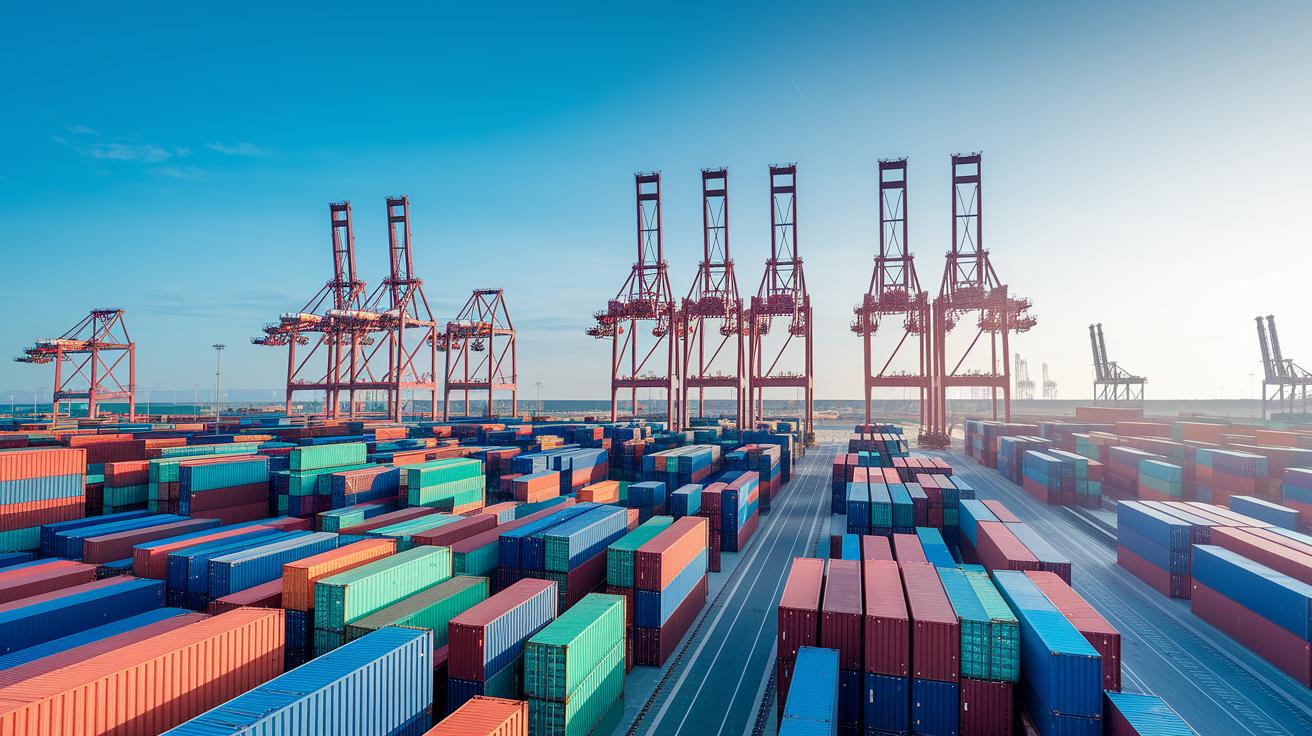
Tariffs in the U.S. stay high for now, though they’re expected to gradually drop. Still, even with this easing, they’ll remain above what we saw before the elections. The changing tariff rules are poised to shift how markets operate and could bring new risks, especially for emerging-market exporters. Many experts are noting that these adjustments might change competition in global markets as countries tweak their trade strategies. In doing so, the balance between safeguarding domestic industries and embracing open trade creates a risk profile unlike any we’ve seen before.
In the first quarter, there was a striking 43% jump in imports as companies hurried to make purchases before the new policies took effect. Meanwhile, non-trade domestic activity grew at a modest 2%, which means that the overall net trade picture now depends on how this import surge later levels off. In short, this mix of high tariffs and aggressive import behavior marks a time of adjustment that deserves close watching as trade policies and global market reactions continue to evolve.
Final Words
In the action, the post offered a crisp look at growth projections, spending metrics, and the impact of tariff policies on current trends. It brought clarity to shifts in consumer behavior and business investment, alongside mixed signals in government spending. The insights on trade dynamics and fiscal drivers tie back to the broader quarterly economic outlook, guiding readers toward a confident approach to evolving market scenarios. The outlook remains clear and optimistic as we move ahead.
FAQ
What is the quarterly economic outlook for 2025?
The quarterly economic outlook for 2025 forecasts modest GDP growth, balanced tariff policies, and mixed consumer spending trends, setting the stage for a cautious yet improving economic environment.
How did the quarterly outlook in 2022 compare to projections for 2030?
The outlook in 2022 indicated cautious growth, while projections for 2030 incorporate long‐term trends and policy shifts, suggesting an evolving economic landscape over the next decade.
What is the economic forecast for the next 5 years?
The economic forecast for the next five years envisions steady but moderate growth, influenced by tempered consumer spending, ongoing tariff uncertainties, and evolving fiscal policies.
How does the IMF World Economic Outlook, including the 2025 report, shape forecast insights?
The IMF World Economic Outlook, particularly the 2025 report, provides detailed GDP, risk, and fiscal analyses that guide policymakers and investors with data-driven insights.
What insights does the World Economic Outlook Report offer?
The World Economic Outlook Report offers expert analysis on global GDP trends, trade balances, and fiscal policy impacts, helping stakeholders grasp the complexities of economic shifts.
What is the U.S. economic outlook for 2025?
The U.S. economic outlook for 2025 projects modest growth amid cautious consumer spending, balanced fiscal measures, and continued uncertainty around tariff policies.
How do institutions such as IMF, World Bank, OECD, WTO, United Nations, and WHO contribute to economic insights?
These institutions compile vital statistics and policy recommendations, offering diverse perspectives and robust analyses that inform global and regional economic forecasts.