Ever wonder if you could track every step of a product's journey, from the moment it's created until it lands in your hands? Provenance blockchain makes that possible by building a secure digital record of each transaction. It captures every exchange in real time so that both buyers and sellers can see the real history and quality of a product. In this system, trust in the supply chain isn't just a buzzword; it becomes a verifiable fact that helps guide smart decisions in today's complex market.
Provenance Blockchain: Definition & Core Principles
Imagine an asset’s journey recorded step by step. Provenance blockchain tracks where an asset begins and follows it right through to the end user. Every move is noted in a secure digital ledger, making it simple for companies and consumers to check product details and sustainability claims.
Blockchain technology builds a permanent digital record of each transaction in a secure, shared ledger. Once a transaction is confirmed, it stays fixed, creating a tamper-proof record. This means businesses can trust that every step recorded is accurate, eliminating worries about errors or fraud in old, centralized systems.
With every exchange logged in real time, you get a clear view of the asset’s full story. This transparency helps everyone involved, whether you’re a business leader or a curious buyer, make better decisions about product authenticity and the overall health of the supply chain.
Core Technical Architecture of Provenance Blockchain
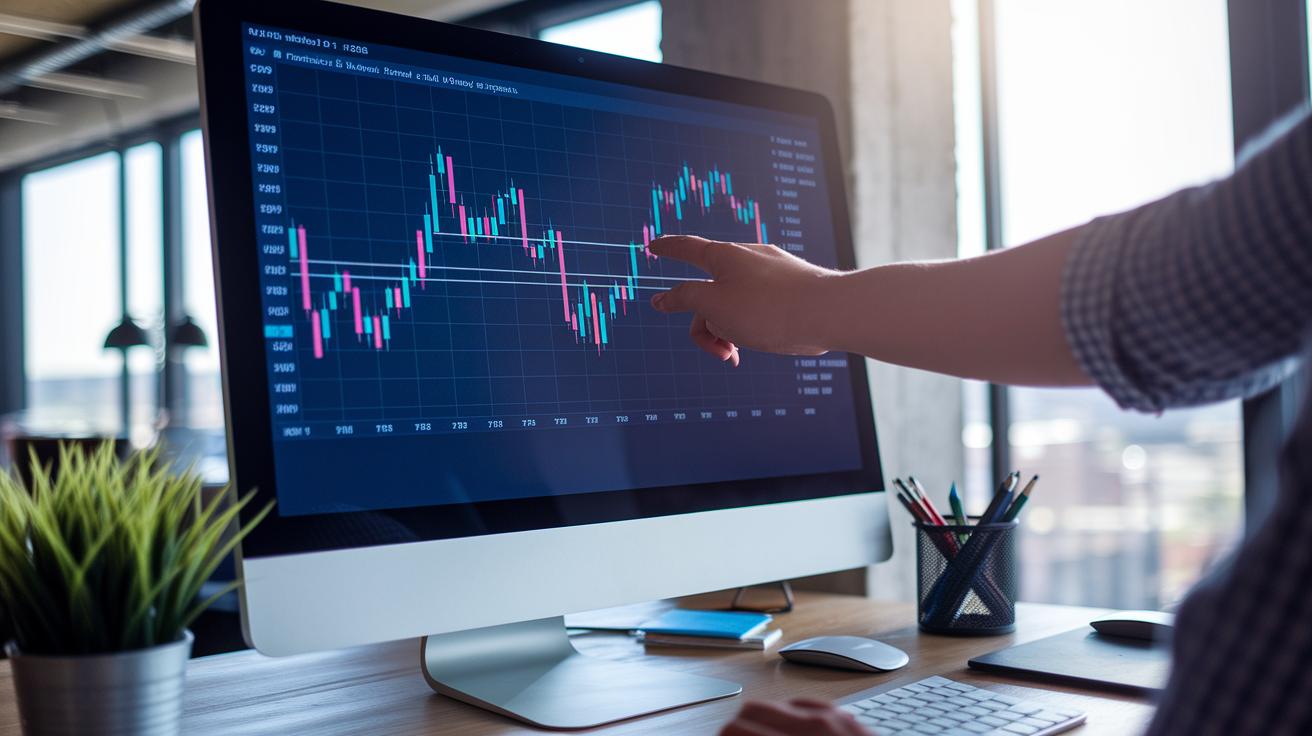
The provenance blockchain is built on a flexible, modular design that makes sure each product detail gets verified by separate yet closely linked programs. The system uses clear, step-by-step processes that record every transaction accurately while keeping security tight and reliable.
Registration Program
This program uses Public-Private Key Infrastructure (PKI) to connect real-world identities with their digital plans. It sets up solid identity links after a thorough review, giving every transaction a strong foundation. In simple terms, this system directs future validations and helps create a digital environment you can trust.
Standards & Verification Programs
These programs lay down strict rules for production and manufacturing standards. They check each product’s details against pre-set criteria, ensuring that every asset meets quality benchmarks. This approach helps maintain consistency and makes sure that every step in the process is as reliable as possible.
Tagging & Linking Modules
The tagging modules use serial numbers, bar codes, RFID/NFC, and hashed digital tags to assign unique identities. They work like digital fingerprints for each item, linking physical goods with their online records. This method provides an extra layer of authenticity and makes it easier to track items across the supply chain.
Consensus & Network Security
In this part of the system, a consensus mechanism keeps the network secure and ensures that records cannot be changed once they’re written down. A decentralized ledger means every transaction is permanent and protected. This feature upholds the integrity of the entire chain, giving users confidence in the system.
Together, these modules create a strong technical framework that promotes both transparency and trust throughout the supply chain.
Supply Chain Visibility with Provenance Blockchain
Provenance blockchain is changing the way supply chain data is shared. It uses easy, user-friendly apps that deliver real‑time, trustworthy information without giving away confidential business details. It works by linking the current certification and audit processes with a flexible model that lets businesses make changes at a comfortable pace.
This new approach builds a tight network where everyone gets verifiable, accurate details about their products. It fits right in with how companies already work, making the switch smooth without heavy trade‑offs. Over time, it steadily builds trust among all the parties involved.
The result is not only clearer operations but also more confidence along the entire supply chain. By allowing different certification systems to work together and by listening to real feedback from people on the front lines, businesses can keep their product tracking and integrity checks strong.
Key benefits for those in the supply chain include:
- Better transparency of product journeys
- Smoother accountability and increased trust
- Easier integration with existing audit processes
- Fewer instances of fraud
- Real‑time monitoring of product details
- Stronger confidence in how products are verified
Overall, this blockchain framework upholds secure tracking practices, making every digital record a reliable mark of integrity.
Real-World Case Studies in Provenance Blockchain

It’s exciting to see how companies are using provenance blockchain to reshape financial operations. Businesses are now relying on blockchain to secure transactions, verify the authenticity of assets, and build trust in their systems. With tokenized asset validation, they are setting new standards in digital finance that both seasoned professionals and first‑time investors can appreciate.
Every example here shows clear, measurable progress. From speeding up payment settlements to pioneering new digital finance products, these case studies demonstrate how blockchain is making a tangible difference. They paint a picture of a market where each transaction is confirmed in real time, adding a layer of reliability that’s hard to ignore.
| Company | Use Case | Outcome |
|---|---|---|
| ProvLabs | Seed funding with tokenized assets | Unlocked over $25 billion in asset potential |
| J.P. Morgan | HQLA-X and intraday repo solutions | Achieved minute‑by‑minute precise settlement timing |
| Marex | Kinexys Digital Payments for quick settlements | Enabled 24/7 programmable transaction settlements |
| Chainlink & Apex Group | On‑chain data streams with digital finance integrations | Drove product innovation and market expansion |
This growing trend of using immutable, real‑time records is reshaping how businesses operate. As more companies adopt blockchain-based systems, the financial sector sees not only improved efficiency but also stronger collaboration and industry-wide innovation. The bottom line is that provenance blockchain is paving the way for a transparent, efficient, and forward‑thinking financial future.
Security & Compliance Frameworks in Provenance Blockchain
The system uses a strong identity verification method based on a PKI registration program that links real identities to digital profiles. It stops unauthorized access by using secure trust anchors. Picture every transaction with its own secure digital signature; that's what keeps the entire framework safe.
We use immutable audit trails and tamper-evident ledger entries as the backbone of our audit process. Every transaction is recorded permanently so that nothing can be changed later. It’s like giving each transaction an unchangeable digital fingerprint, which builds trust and makes audits straightforward.
Built-in privacy rules let you share some product details while keeping sensitive information under wraps. The system also performs regular cybersecurity checks to catch potential problems early. This proactive approach reduces the chance of data breaches and ensures that every transaction meets high compliance standards in a closely monitored environment.
Implementation Considerations & Integration Strategies

The Provenance blockchain’s step-by-step approach makes it easy for organizations to slowly add new systems to their current certification and audit processes. This means you can avoid heavy upfront costs and skip the disruption that usually comes with a major overhaul. Companies get to start small, gradually boosting transparency without the typical cost/benefit headaches.
What really sets this framework apart is its ability to work with various certification schemes and even older systems. Imagine a smart bridge that connects traditional setups with modern blockchain features using innovative middleware. A clear roadmap guides every phase of the process, with crowd-sourced reporting features and other practical solutions working alongside your current audits. In doing so, it helps organizations merge cutting-edge technology with time-tested practices, even enabling distributed ledger integration in legacy systems to keep every component communicating safely.
Keeping an eye on computational efficiency is essential, too. Organizations should run scalability tests to ensure the system can handle a growing number of transactions without slowing down. This proactive step helps spot potential issues early, allowing the integration to progress smoothly as demands increase.
Future Outlook & Ecosystem Growth of Provenance Blockchain
Blockchain is clearing the path for a new era of supply chain transparency. New use cases and growing market trust suggest that meaningful change is on the horizon. As more industries dive into blockchain, consumers get better, verifiable sustainability claims, and fraud in circular economies starts to shrink. Early projects already show that this tech can untangle even the most complex supply lists, proving its potential to change long-standing practices.
Recent studies back the claim that blockchain sharpens product checks and cuts fraud. Meanwhile, fresh waves of ecosystem investments signal strong industry support. Projects like MAS’ Project Guardian, paired with Chainlink solutions and efforts by Apex Digital, highlight how different sectors are starting to work together. Experts even believe that upcoming models, ones that offer smoother system integration, crowd-sourced supply chain updates, and data sharing that respects privacy, will soon be the norm. Ever wonder if today’s innovations are setting the stage for a fairer market tomorrow?
Looking ahead, things like the future signal index, new corporate partnerships, and global outreach campaigns will drive steady ecosystem growth. Every new alliance and international step builds further trust in blockchain’s ability to deliver clear and efficient supply chains. This paves the way for more creative solutions and fresh investment opportunities across various sectors.
Final Words
in the action, the article showed how provenance blockchain drives secure, digital record keeping while enhancing supply chain transparency and traceable asset certification. We covered its core technical architecture, real-world applications, and robust compliance measures that reduce fraud.
The discussion also highlighted practical integration tips and future market potential, inspiring smarter investment decisions. The clear benefits and innovative edge create a positive path forward for investors and professionals alike.
FAQ
Does Provenance use blockchain?
The Provenance system uses blockchain to secure digital records. This method creates traceable asset certification and transparent records that verify each transaction’s history, ensuring trust throughout the supply chain.
Does Provenance blockchain have a token, and what is the Provenance token?
The Provenance blockchain includes a native token that helps facilitate transactions and support network operations. This token underpins the distributed ledger and drives the system’s funding and participation incentives.
What is the chain of provenance?
The chain of provenance describes a verified history of an asset from its origin to its final destination, all recorded on the blockchain. This process ensures authenticity and transparency in the asset’s journey.
What discussions are happening about Provenance blockchain on Reddit?
Conversations on Reddit focus on community opinions, market trends, and real-world uses of Provenance blockchain. Users share experiences and insights about its technology, pricing, and practical applications within supply chains.
What is the Provenance blockchain price?
The price of the Provenance blockchain token changes with market demand and trading activity. To find the current value, check reputable crypto market platforms that track live pricing information.
How does Provenance blockchain support supply chain management?
Provenance blockchain supports supply chain management by creating tamper-evident, traceable records of each product’s journey. This transparency improves auditability and helps certify products throughout the supply chain.
What is a Provenance Blockchain Explorer?
A Provenance Blockchain Explorer is a tool for viewing and verifying transactions on the network. It offers detailed insights into asset histories and enhances confidence in the system’s transparent record-keeping.
Where can I find Provenance blockchain news?
Provenance blockchain news is reported on specialized crypto and supply chain platforms. These updates cover technical advances, market trends, and real-world case studies relevant to the blockchain’s progress.
What does Provenance Blockchain RWA mean?
Provenance Blockchain RWA stands for Real-World Assets certification on the blockchain. It involves tokenizing tangible assets to track and verify their histories, ensuring transparency and integrity in asset records.
Who is the CEO of Provenance Blockchain?
The identity of the CEO of Provenance Blockchain is not widely verified in public sources. For the latest details, refer to official announcements or trusted industry news outlets.