Have you ever looked for a savings option that actually keeps up with rising prices? I Bonds are a government-backed tool designed to protect your money when inflation starts to creep up. They combine a fixed rate with an extra boost linked to a key price index, so when the cost of living increases, your earnings can too.
Rather than watching your savings gradually lose value, I Bonds help you fight back against rising costs. Recent data suggests these bonds often beat typical savings accounts once you adjust for inflation.
i bond treasury Boosts Your Savings

I Bonds are a smart, government-backed way to protect your money while keeping up with rising prices. These bonds combine a steady fixed rate with an extra boost that adjusts every six months based on the Consumer Price Index for All Urban Consumers. In simple terms, that means if inflation goes up, so does your bond’s return, helping your money keep its value. In fact, during 2021, I Bonds delivered inflation-adjusted returns that clearly outperformed typical savings accounts.
A few key points to note: You can buy up to $10,000 in electronic I Bonds each year, with an extra $5,000 available in paper form through tax refunds. The interest on these bonds compounds twice a year, so even small gains can add up nicely over time. And because they’re backed by the government, your initial investment stays protected as long as you hold the bond for at least 12 months.
Getting started is quite straightforward. First, create an account on TreasuryDirect by providing your Social Security number, bank details, and email address. Next, select the Series I Savings Bond option, enter the amount you’d like to purchase (with a minimum of $25), and confirm your transaction. You can then easily monitor your bonds in your TreasuryDirect portfolio.
For anyone looking to safeguard their savings during inflationary times, I Bonds offer a balanced and low-risk option that’s easy to understand and manage.
TreasuryDirect Purchase Guide: Account Setup to Purchase Confirmation
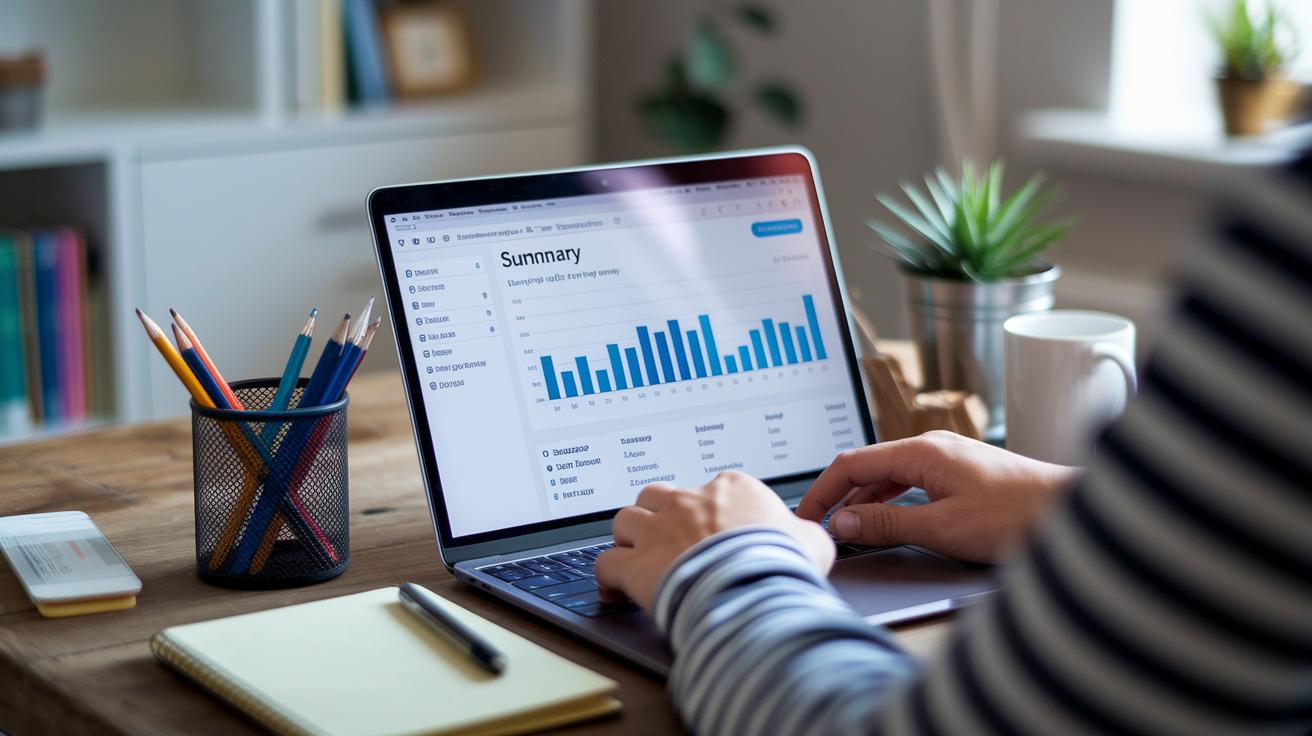
Get started by setting up your TreasuryDirect account. You simply need to share your Social Security number, bank account details, and email address, kind of like opening your very own digital savings spot. Once you're registered, sign in to see your portfolio dashboard. There, you’ll be guided through verifying your bank details, including confirming tiny deposits in your account. It’s as simple as checking items off your grocery list.
Next, on your dashboard, choose the Series I Savings Bond option. Enter how much you want to invest, starting at $25 and capped at $10,000 per year if you do it electronically. Think of it like leaving a tip where every dollar adds up to secure your financial future.
Before you hit the final button, take a moment to double-check your bank payment basics and ensure you have enough funds. Since the purchase happens via direct bank transfer, this step is key. Once everything looks good, click to finalize your order. Then, keep an eye on your portfolio and email updates. A quick look at "My Portfolio" will show your new I Bonds, and you'll see how your interest updates every six months as it builds up.
I Bond Treasury Interest Mechanics: Fixed Rate and Inflation Adjustment
I Bonds grow your investment in two simple ways. When you buy one, you lock in a fixed rate, say 0.90%, that stays constant for the life of the bond. At the same time, there’s an inflation adjustment updated every May and November using the CPI-U to keep your money in step with rising prices.
Every six months, the interest you earn is added back to your original amount. This semiannual compounding means your savings slowly build on themselves, working a bit harder with each cycle. Ever thought how a small boost every six months can really amplify your returns over time?
Historical Rate Trends and Forecasts for I Bond Treasury

I Bond yields are always on the move. They change every May and November based on shifts in inflation expectations and overall economic conditions. For instance, in late 2021, composite yields jumped above 9%, a surprising spike that caught many investors off guard. Then, by mid-2022, yields settled to around 4%, showing just how quickly market feelings can turn.
The fixed rate part of these bonds has seen its share of ups and downs over the years, ranging from 0% to 3.60% since 2000. This kind of variability underlines the importance of looking at rate-cycle patterns over time. It helps investors put current rates into perspective and set realistic expectations for what might happen next, as inflation changes, so do yields.
Looking at historical records on the Treasury's website can provide clear trend analysis. Understanding these past movements gives us a roadmap for how I Bond yields might behave in the future. Check out the timeline below for a quick look:
| Period | Composite Yield |
|---|---|
| Late 2021 | Above 9% |
| Mid 2022 | ~4% |
| Since 2000 Fixed Rate | 0% to 3.60% |
By studying these trends, investors can get a better sense of rate dynamics and consider how upcoming economic adjustments might affect I Bond returns. Such insights are essential for anyone thinking about using these bonds as a stable part of a broader investment strategy.
Comparing I Bond Treasury and EE Bonds

I Bonds and EE Bonds are both government-backed savings vehicles, each geared toward different investment goals. They start with a minimum purchase of $25 and earn compounding interest over time, maturing in 30 years. Just a heads up: if you cash them in before five years, you’ll miss out on three months’ interest.
I Bonds adjust their interest rates in line with inflation measured by the CPI-U. In simple terms, as prices rise, your returns rise. Ever notice how, during fast-paced inflation, these bonds seem to catch up with the market? That’s because they’re designed to protect your purchasing power by aligning with economic shifts.
On the flip side, EE Bonds feature a fixed interest rate that can potentially double your investment after 20 years. This steady, predictable growth is perfect if you like knowing exactly what to expect.
Each bond brings its own benefits. If you’re looking for flexibility to keep up with inflation, I Bonds might be your best bet. But if you prefer a clear, stable path to growth, EE Bonds could be the way to go.
Limits, Redemption Rules, and Maturity Options for I Bond Treasury

Remember, you can invest up to $10,000 in electronic I Bonds each year, plus an extra $5,000 in paper bonds when you file your taxes. There's also a rule requiring you to hold your bond for at least 12 months before you can redeem it without any penalty. And if you need to cash in before five years, you'll lose three months’ worth of interest.
For a deeper look at bond maturity options and the steps to redeem your investment, check out the detailed section that walks you through every point.
Tax Treatment and Benefits of I Bond Treasury

With I Bonds, you only worry about federal taxes when you cash them out or when they reach maturity. This means no annual tax headaches, and state or local taxes don’t come into play either. It’s a clear advantage that many other investments simply don’t offer.
Imagine saving for years and finally redeeming your bond, knowing that only the interest you earned gets taxed federally. You get to keep more of your hard-earned money, which can really boost the overall return on your savings.
There’s also an education perk. If you use the funds for qualifying education expenses, you might exclude up to $10,000 in interest from federal taxes. Picture a student covering college costs; that tax break can make a significant difference during a big life transition.
Plus, you only need to deal with tax reporting when you cash in your bond. This setup keeps record-keeping simple and lets you focus on growing your savings without drowning in paperwork.
Strategies for Including I Bond Treasury in Your Portfolio

Conservative investors often choose I Bond Treasury to protect their money while keeping inflation in check. These government-backed bonds add stability to your mix of investments, much like a dependable side dish that supports a flavorful main course. By blending a solid I Bond with a more dynamic stock, you can enjoy steady returns without giving up growth opportunities.
Here are some friendly pointers:
- Consider using I Bonds for funds saved for medium-term plans like college tuition or a down payment.
- Mix I Bonds with a range of stocks and bonds to help lower overall risk while still capturing market gains.
- Set aside a portion of your savings specifically for these inflation-adjusted bonds, ensuring a cushion when the market gets choppy.
| Asset Type | Purpose |
|---|---|
| I Bond Treasury | Helps protect against inflation and preserves capital |
| Equities | Drives growth and capital appreciation |
| Other Fixed-Income | Provides steady returns and income stability |
Imagine your portfolio as a well-balanced meal. I Bonds are like the nutritious ingredient that ties everything together, ensuring that every part of your financial plan works harmoniously toward your long-term goals.
Final Words
In the action, we explored the key features of i bond treasury, from its fixed and inflation-adjusted rates to the clear purchase steps on TreasuryDirect. We broke down account setup, transaction confirmation, and redemption rules, helping you see how these bonds stand out for capital preservation and inflation protection. The historical rate trends and bond comparisons add extra perspective for both individual investors and professionals. Smart strategies can build a balanced portfolio and lead to promising financial outcomes.
FAQ
I bond treasury rates
The I Bond treasury rates combine a fixed rate with an inflation adjustment recalculated every six months. This composite rate reflects both a baseline yield and current inflation trends.
I bond treasury calculator
The I Bond treasury calculator estimates your bond’s composite yield by combining the fixed interest and inflation components. It helps investors project future earnings based on current and predicted adjustments.
U.S. treasury bonds rates
The U.S. treasury bonds rates include various government securities. I Bonds specifically blend a fixed rate with an inflation component, offering yield adjustments that differ from standard fixed-rate treasuries.
How to buy I bond treasury
The process for buying I Bonds starts with setting up an account on TreasuryDirect. Once verified, select “Series I Savings Bond,” specify your purchase amount, and confirm the transaction to complete your order.
I Bond rates prediction 2025
The I Bond rates prediction for 2025 is based on expected adjustments to the inflation component, along with the fixed rate established at issuance. Future rates will depend on how inflation trends evolve over time.
I bond interest rate chart
The I Bond interest rate chart displays both fixed and inflation-adjusted components, showing the composite rates over time. This tool offers insights into past performance and helps compare current yields.
TreasuryDirect
TreasuryDirect is the online platform for buying, managing, and viewing government bonds, including I Bonds. It allows investors to set up accounts, make purchases electronically, and access e-statements for their portfolios.
I bonds rates history chart 10 years
The 10-year I Bonds rates history chart shows how composite rates have varied over time due to changing inflation adjustments and fixed rates. It serves as a reference for understanding long-term trends and market conditions.
What are Treasury I bonds currently paying?
Treasury I Bonds currently pay a composite rate that blends a fixed percentage with a semiannual inflation adjustment. For up-to-date figures, it’s best to check the latest information on TreasuryDirect.
What is the downside of Treasury I bonds?
The downside of Treasury I Bonds is their limited liquidity; you must hold them for at least one year. Additionally, redeeming them before five years results in a penalty of losing the last three months’ interest.
Are I bonds still a good investment?
I Bonds remain a solid investment choice for inflation protection and capital preservation with government backing. They suit conservative investors, though the limited liquidity and early redemption penalties should be considered.
How much is a $100 bond worth after 30 years?
The future value of a $100 I Bond over 30 years depends on the fixed rate and inflation adjustments during that period. Historical trends suggest significant growth, but exact returns vary with changing economic conditions.