Have you ever wondered if the global supply chain is finally looking up, or if the good news is just covering up bigger problems? More than half the experts say we can expect slower growth and higher cost pressures in the near future.
New technologies are stepping in to help trim expenses and boost performance. In this article, we’re breaking down how changes in trade policies and smart innovations could help manufacturers and shippers manage rising costs while keeping their operations smooth.
Stay with us as we explore what the future may hold for this essential part of our economy.
Global Supply Chain Economic Outlook: 2025 Forecast
The next year is setting up to be a tough one. Global growth seems to be slowing down, and trade is expected to pick up at a cautious pace. Even though some developed markets are showing signs of resilience, many experts believe the broader global economy might struggle. In fact, analysts are warning that shippers and manufacturers should ready themselves for bumpy riding ahead. For more detailed insights, check out the global economy outlook at https://thepointnews.com?p=6405.
Recent survey results back up these concerns. About 56% of chief economists predict weaker global conditions next year, while 72% of Chief Supply Chain Officers see financial pressures as a big challenge for keeping operations smooth. Ongoing inflation and trade tensions are making the situation even more unpredictable, meaning costs could go up and careful planning will become trickier for those in the shipping and manufacturing sectors.
On a brighter note, new technologies are starting to change the game. For example, generative AI is set to influence 25% of logistics performance indicators by 2028 and could boost delivery effectiveness by 45%. By streamlining operations and lowering costs, these innovations might help ease some of the pressures from inflation and market swings. All in all, while caution is still in the air with economic predictions, emerging technology brings a mix of hope and progress to the global supply chain in 2025.
Geopolitical and Economic Factors Shaping Global Supply Chain Economic Outlook
The ongoing Russia-Ukraine conflict, difficulties in the Red Sea, and rising protectionism are putting a strain on global shipping. Shippers now face tough choices as they rethink long, conflict-ridden routes and sometimes shift operations closer to home. Tariffs and new trade deals are shaking up cost structures, forcing supply chain managers to stay alert to any policy changes. Meanwhile, central banks adjusting their policies are affecting currency values and loan costs. In fact, over half of economists think sudden policy shifts might spark major market fluctuations.
Regulatory changes and monetary policies now play a key role in how supply chains are managed worldwide. Shippers must tweak their strategies, keeping an eye on unexpected policy moves and shifting international relations. Changes in tariff rules and trade deals mix in with fluctuating exchange rates to make planning even trickier. For instance, companies now need to balance short-term cost pressures with potential long-term financial risks. As they adjust freight volumes and realign networks, keeping a close watch on global events and policy changes is more important than ever to stay competitive.
Technological Innovations Impacting Global Supply Chain Economic Outlook
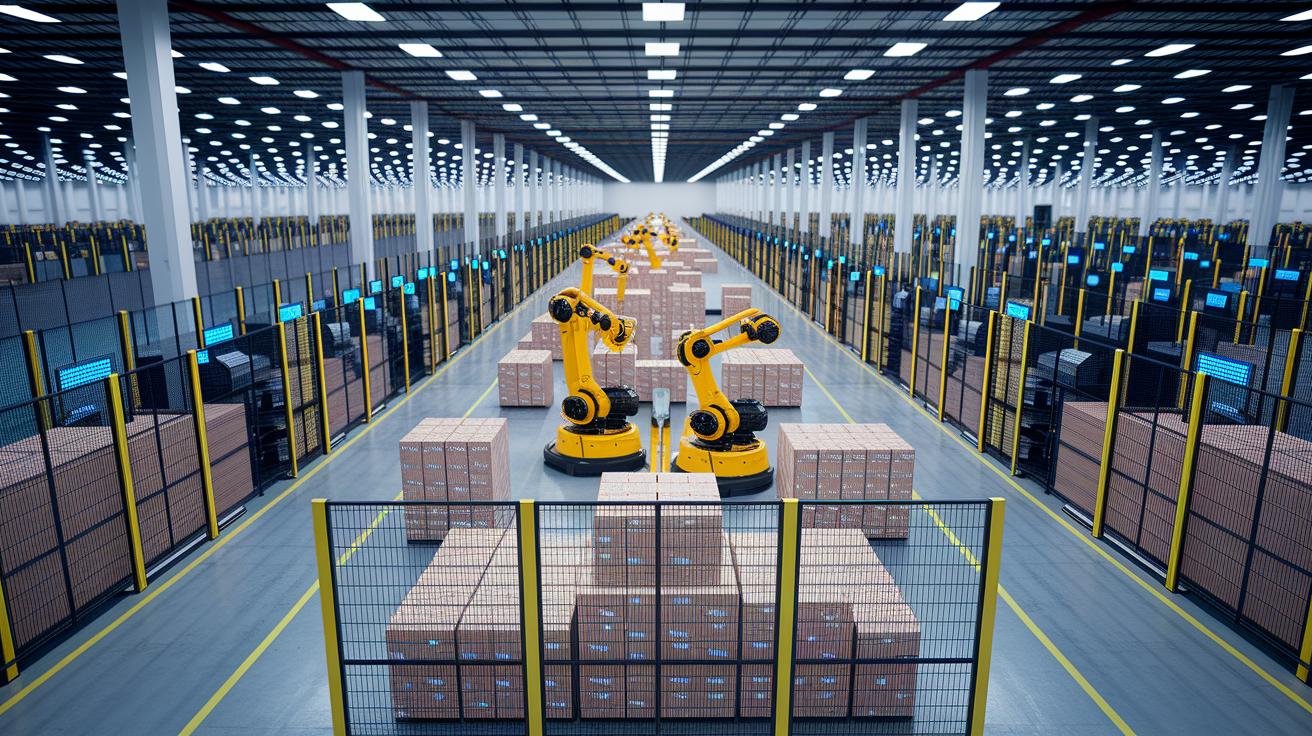
New tech breakthroughs are changing how supply chains operate every day. In modern distribution centers, AI tools are now actively guiding route planning and quick decision-making, which means fewer delays. At the same time, blockchain tests are already fixing tracking errors as they happen, making it easier to resolve issues right on the shop floor. And with robotics working hand-in-hand with IoT sensors, warehouses are boosting productivity while cutting down on manual mistakes. On top of that, advanced machine learning is being woven into analytics platforms to offer clearer forecasts and smarter strategies.
Here’s a quick rundown of these innovations:
- Generative AI: Optimizes routes and supports instant decision-making.
- Blockchain Tracking: Provides real-time monitoring and fast error fixes.
- Robotics Automation: Enhances warehouse operations by using sensor data.
- IoT-Powered Visibility: Consistently collects sensor inputs to watch over assets.
- Predictive Analytics: Uses big data to guide proactive planning.
| Technology | Impact |
|---|---|
| Generative AI | Improves route planning and supports quick, live decisions. |
| Blockchain Tracking | Monitors shipments in real time and resolves discrepancies instantly. |
| Robotics Automation | Increases warehouse efficiency by leveraging sensor data smartly. |
Risk Management and Sustainability in the Global Supply Chain Economic Outlook

Extreme weather is now the second most expected short-term disruptor for supply chains, pushing companies to rethink their shipping lanes and diversify their suppliers. Manufacturers are feeling the squeeze from rising commodity price swings, which add to the uncertainty of input costs. This trend has supply chain managers looking closely at operational risks and stepping up environmental sustainability efforts. Meanwhile, high corporate emissions, despite many firms pledging to go greener, are drawing increased scrutiny. Organizations are now working hard to improve data validation and reporting so they can meet new regulatory demands.
Cyber incidents are another growing concern. In 2024, Fortune 500 companies faced over $5 billion in losses from cyber-attacks, underlining the urgent need for strong risk management. Gaps in data integrity are escalating procurement costs and operational risks. As a result, many firms are investing in real-time monitoring tools and bolstering their cybersecurity defenses, all while taking on green initiatives to strike a balance between financial performance and environmental goals.
Strategic Resilience and Procurement Transformation in the Global Supply Chain Economic Outlook
Procurement teams today are stepping up their game as ongoing disruptions change the landscape. They’re facing talent gaps in both procurement and logistics, which makes it tricky to keep pace with rapid market shifts. Companies now understand that updating their procurement practices isn’t optional, it’s a must to meet today’s market demands. Teams are dealing with shifting responsibilities, skill shortages, rising costs, and tighter regulations, proving that a skilled procurement workforce is just as crucial as modernizing supply chains.
Many organizations are turning to real-time rate intelligence tools to keep freight costs in check, while diversified supplier networks help cut the risk of relying on a single source. Some are even experimenting with blockchain to verify vendor and shipment data, offering a clearer view of their operations. By integrating traditional import-export cycles with digital data flows through improved forecasting systems, companies are making quick, informed adjustments driven by solid data.
Modernizing procurement with techniques like real-time monitoring and supplier diversification is already showing strong results. With advanced forecasting and blockchain validation, companies expect not just cost savings but also a reduction in operational risks and delays. In short, these changes are paving the way for a more resilient supply chain, one that can handle market ups and downs and adapt to the evolving financial environment.
Final Words
In the action, we reviewed the broad economic shifts affecting supply chains, surveyed key statistics from top economists and CSCOs, and discussed how AI and related tech innovations could boost efficiency on the global stage.
We also looked at geopolitical pressures and the role of policy shifts. Each factor plays a part in the evolving global supply chain economic outlook, setting the stage for informed, positive investment decisions.
FAQ
What does the global supply chain economic outlook for 2025 indicate?
The global supply chain economic outlook for 2025 signals cautious growth with projected inflation and geopolitical tensions. Chief economists’ insights point to slower market expansion and increased strain on supply chain operations.
How did the global supply chain economic outlook in 2022 compare?
The outlook for 2022 showed financial and operational pressures emerging from the pandemic recovery, with early signs of market adjustments and external influences challenging supply chain stability.
What does the Global Supply Chain Pressure Index measure and how is it used?
The Global Supply Chain Pressure Index measures stress in supply chain operations by collecting country-specific data on trade disruptions and financial pressures, helping professionals manage economic risk effectively.
How does the global supply chain affect the economy?
The global supply chain drives economic performance by influencing trade, production, and pricing. Disruptions can increase costs and create ripple effects across markets that touch businesses and consumers alike.
What is the current global economic outlook?
The current economic outlook reflects fragile growth amid inflation concerns and geopolitical uncertainties, with experts signaling that cautious adjustment is ongoing in response to international market pressures.
What can we expect for the future of global supply chains?
The future of global supply chains promises more automation, enhanced technological integration, and regionalized production strategies aimed at boosting efficiency and reducing exposure to external economic shocks.
What supply chain issues are prominent today?
Prominent issues today include financial pressures, capacity constraints, and disruptions from geopolitical events, leading companies to adopt agile and diversified strategies with an emphasis on real-time data.
What is supply chain management and why is it essential?
Supply chain management coordinates the flow of goods from production to delivery, ensuring efficient processes through strategic planning and data-driven insights that help meet market demand reliably.
How does global supply chain management differ from domestic operations?
Global supply chain management extends standard processes internationally by addressing cross-border trade complexities, regulatory differences, and currency fluctuations, ensuring smooth operations on a worldwide scale.