Ever wondered if a slowdown might hide a bit of sunshine? Recent reports show that while growth is taking its time and inflation is easing, there’s a renewed sense of hope in the air. Experts point to shifts in how people spend and tighter government spending as signs that stability could be on the horizon. In this post, we break down the global recession outlook with clear, step-by-step analysis, comparing today’s trends with lessons from past downturns. Even with cautious forecasts, there might just be a silver lining waiting to be seen.
Forecasting the Global Downturn: Data-Driven Predictions
The global economy seems to be taking a slower pace these days. Experts expect global GDP growth to slide from 2.9% in 2024 down to about 2.5% by the fourth quarter of 2025. Over in the U.S., GDP is predicted to dip from 2.8% in 2024 to around 1.5% later in 2025 before dropping further to nearly 1% in 2026. Inflation, an important indicator of price changes, is also on track to ease, from 2.4% in 2024 to roughly 2.1% in 2025, and then settling at 2.0% in 2026 as spending habits adjust.
There are several reasons behind this economic shift. With consumer demand cooling off, companies are rethinking their supply chains. A stronger currency and lower oil prices add to the mix, while governments are tightening budgets and adjusting taxes. All these factors together hint at an economy in transition. It feels a bit like noticing a slight chill on a fall day, a small change that quietly signals the coming of winter.
- Oil prices
- Currency moves
- Demand pullback
- Supply re-alignment
- Fiscal tightening
When you mix these inflation factors with shrinking growth figures, you get a clear picture of an economy under pressure. The combined data suggests that a recession could be on the horizon. These early forecasts point to tighter financial conditions ahead, setting the stage for a tougher economic landscape.
Historical Crisis Comparisons: Lessons for Today's Outlook

History shows us the ups and downs of economic trends and helps us understand what might lie ahead. When we look back, we see how different crises have varied in scale and recovery paths that policymakers have taken.
Consider the Great Depression. Global GDP dropped by about 15%, a much steeper decline compared to the tiny drop of around 0.1% during the 2008 to 2009 crisis. This big difference reminds us that economic shocks can hit hard or soft, and the response needs to match the severity of the situation.
| Event | Global GDP Change | Unemployment Peak |
|---|---|---|
| Great Depression | -15% | Very High |
| 2008–09 Crisis | -0.1% | Moderate |
| Early-2000s Dotcom Slump | Mild | Varied |
We learn that swift and clear policy actions, like targeted fiscal steps and monetary tweaks, can ease economic pain and jumpstart recovery. Past reforms, from tightening financial regulations to strengthening support systems, set the stage for stability. This historical insight encourages today’s leaders to mix quick fixes with long-term changes, building a more resilient future for everyone.
Crisis Triggers and Risk Factors for the Global Economic Slowdown
Warnings about the economy are growing louder as experts point out that the U.S. might be edging towards a recession. One well-known economist recently explained on Next Global Crisis that heavy corporate debt and a tighter policy from the Fed are making financial risks even more pronounced. Global supply chains, still trying to recover from the pandemic and dealing with ongoing geopolitical challenges, only add to the mix.
All these factors together send a strong signal: the slowdown we’re seeing is not just due to one issue, but a blend of interconnected challenges. The main concerns include:
- Excess leverage
- Rising inflation
- Logistical chokepoints
- Trade wars
- Monetary tightening
- EM currency stress
These issues don’t stop at national borders. Currency declines in emerging markets, pushed further by rising tariffs, are unsettling investor confidence around the world. This kind of financial stress quickly spreads into global investment and trade routines, affecting everything from small local businesses to large international banks.
Investors and policymakers alike are keeping a close eye on these developments. In today’s tightly connected world, a shock in one area can quickly ripple across different regions. Every sign, from supply chain hick-ups to shifts in monetary policy, points to a fragile global landscape feeling the pressure from multiple fronts.
Regional Variations in the Global Downturn: Country and Sector Impacts
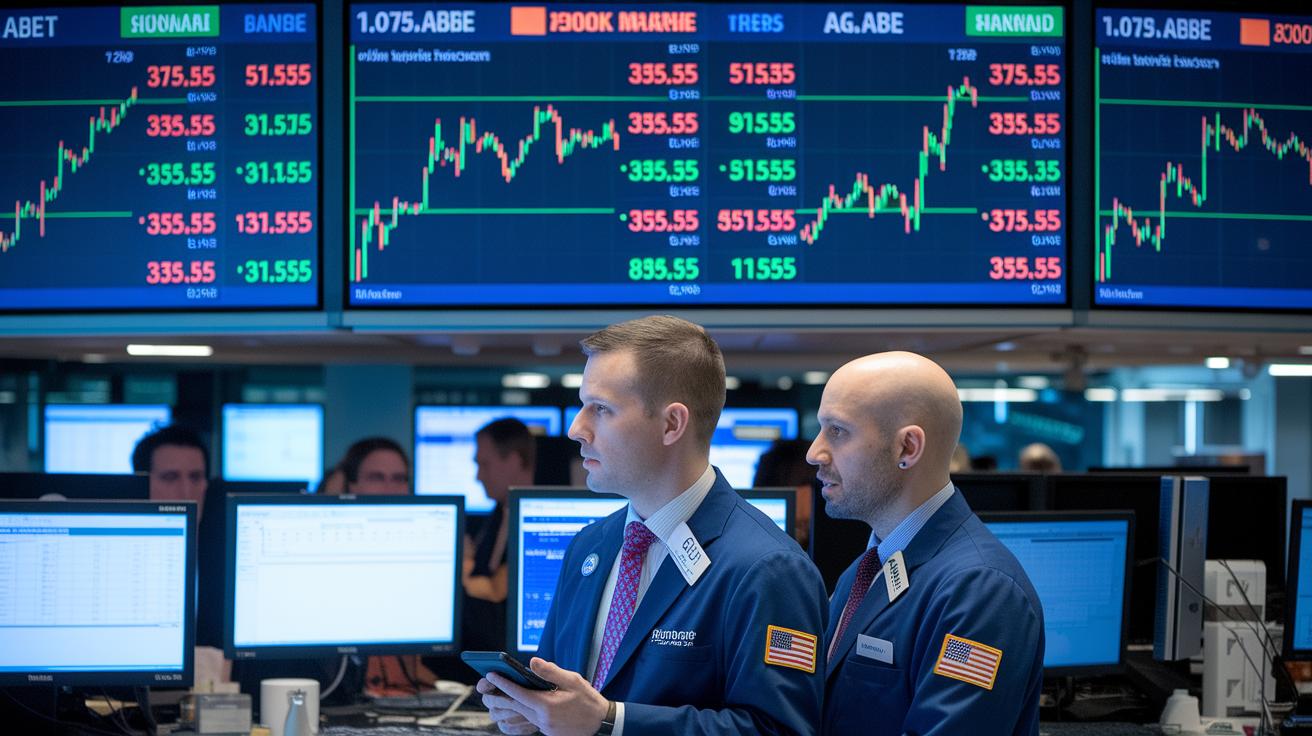
Looking at global numbers, you can really see how some regions are moving faster than others. Even though it might seem like things are slowing down overall, certain sectors are showing signs of life that make you pause and take notice.
In the U.S., the situation is mixed. Growth is dipping while doubts rise over Fed moves. People on Wall Street are keeping a sharp eye on rate changes as pressure mounts in both banking and corporate financing.
Over in the euro area, export numbers have taken a hit, which has left policymakers scrambling for extra support. Capital flows are a bit all over the place, and that means economic forecasts are extra sensitive when global demand shifts.
China and its Asian neighbors are facing their own hurdles. U.S. tariffs and a shaky real estate market have made the path uncertain. As a result, both consumers and businesses feel the strain, and confidence remains a challenge.
Latin America tells yet another story. Economic predictions here aren’t one-size-fits-all. While Mexico’s growth has stalled for now, with hopes of a rebound later, the story in Brazil is shaped by falling commodity prices, so each country is charting its own course for recovery.
| Region | 2025 GDP Forecast | Key Vulnerability |
|---|---|---|
| U.S. | 1.5-1% | Fed policy challenges |
| Euro area | Modest | Export declines |
| China | Bumpy | Tariff impacts, housing |
| Japan | ~1% | Low inflation, wage pressures |
| Latin America | Stalled | Weak domestic demand |
Modeling the Global Recovery: Forecast Methods & Scenarios
Major institutions such as the IMF, OECD, and World Bank look at a mix of economic signs and past trends to sketch out recovery paths. They take into account everyday consumer habits, government spending decisions, and even sudden external shocks. This detailed view helps shape different future scenarios, giving policymakers and market players a heads‑up on shifts in growth, inflation, and overall economic strength.
Baseline Scenario
- Growth drivers: Everyday demand stays steady while technology makes slow but consistent progress.
- Inflation outlook: Prices rise moderately as the economy adjusts in a balanced way.
- Policy stance: A mix of careful interest adjustments and ongoing fiscal support paves the way for steady recovery.
Downside Scenario
- Second-wave shocks: New outside disturbances hit, causing some unexpected economic bumps.
- Debt defaults: Rising financial pressures make vulnerable parts of the market more likely to default.
- Credit freezes: Tighter lending conditions limit borrowing, putting a brake on market activity.
Upside Scenario
- Successful stimulus: Smart policy moves could really boost spending and ramp up investment.
- Commodity rebound: Improved prices in crucial markets might spark export-led growth.
- Supply-chain normalization: Better global teamwork restores the smooth flow of trade.
Even small shifts in consumer mood or sudden political events can move the recovery from steady to more turbulent. Analysts use sensitivity tests, simple checks that show how tiny changes in confidence or policy might change the game. It’s a balancing act between firm analytical data and the unpredictability of real‑time market moves.
Policy Response Strategies for Global Recession and Recovery

Central banks are stepping in to soften the borrowing landscape. They’re lowering interest rates so that loans become more affordable for both consumers and businesses. They’ve also launched programs to pump extra cash into the economy, making sure funds flow smoothly. Plus, liquidity facilities help banks keep enough cash on hand during tougher market times. Fun fact: sometimes, just one rate cut can kickstart a surge in economic activity, much like early moves during previous downturns.
Governments are also getting creative with fiscal measures. They’re sending targeted stimulus directly to key growth sectors. Infrastructure spending not only creates jobs but also lays the groundwork for long-term productivity gains. At the same time, expanded social safety nets help families cope when incomes fall. Think about a small road repair project that unexpectedly grew into widespread community benefits.
- Emergency lending backstops
- Unemployment insurance expansion
- Corporate debt relief
- Structural reforms
Looking ahead, real resilience depends on solid planning. Governments conduct regular fiscal health checkups and adapt their policy frameworks to handle future shocks. These steps boost confidence and create a foundation that supports both a quick recovery and long-lasting economic strength.
Final Words
in the action, this post unpacked key economic data and historical reflections that set the stage for today’s slowdown. It highlighted forecasts on growth and inflation alongside notable indicators like debt pressures and supply chain strains. Regional insights and recovery models offered clear snapshots of market shifts and potential policy moves.
The article not only presented the data but also provided a friendly, clear look into the global recession outlook that empowers informed investment decisions and inspires confidence in the path ahead.
FAQ
Q: What is the global recession outlook for 2025?
A: The global recession outlook for 2025 reflects a slowdown with GDP growth expected to dip from 2.9% in 2024 to 2.5% by Q4 2025, driven by weaker demand, shifts in currency values, and lower oil prices.
Q: What economic forecasts are predicted for the next 5 years?
A: The economic forecast for the next 5 years projects gradual growth, with U.S. GDP falling from 2.8% in 2024 to 1.5% in late 2025, while global inflation trends ease modestly over the period.
Q: How severe is the next recession expected to be?
A: The next recession is expected to be challenging, as projections suggest a more gradual downturn influenced by high corporate debt and persistent supply chain strains, though the impact varies by region.
Q: What insights does the World Economic Outlook, including the IMF projections, offer?
A: The World Economic Outlook, along with IMF projections, indicates a moderate slowdown with easing inflation trends, while also cautioning about rising debt levels and shifts in global policy affecting overall growth.
Q: How likely is a global recession or recession-like conditions in the near future?
A: Likelihood comparisons show that while some signals like volatile markets and tightening monetary policies exist, the path to recession depends on geopolitical events and policy measures, leaving the timing uncertain.
Q: Where can I find historical comparisons of global recessions?
A: Global recession history charts provide comparisons of downturns, highlighting events like the Great Depression and the 2008–09 crisis, which offer valuable insights into how past economic cycles recovered.