Are today’s trade policies steering us toward opportunity or trouble? Recent tweaks in tariffs have thrown off forecasts and left many of us wondering what's next. Worldwide, growth appears to be slowing, and inflation might be on the rise. Still, some experts believe these new rules could eventually lead to a steadier market. In this article, we look at how these policy shifts might shape future economic trends and what that could mean for both investors and everyday consumers.
Economic Outlook Forecasts Under Trade Policy Changes

Trade policies can really shift how we see future economic growth. Recent tariff changes have made experts rethink their forecasts. For instance, the IMF recently trimmed its 2025 global GDP growth projection from 3.3% to 2.8%, signaling a slowdown as trade policy uncertainty takes its toll. In the US, growth is expected to drop nearly 0.9 percentage points while short-run inflation could rise by 2.3% due to market disruptions caused by these tariffs. Europe and the UK, which depend on US goods for just a small slice of their economies, have a bit of a cushion even though they face their own set of challenges. Meanwhile, in the Asia-Pacific region, forecasts vary widely, with smaller, more open economies being hit harder by rapid slowdowns.
| Region | Pre-Tariff Forecast | Revised Forecast |
|---|---|---|
| Global | 3.3% | 2.8% |
| US | Stable (before tariffs) | Down by 0.9 percentage points (short-run inflation +2.3%) |
| EU/UK | Steady (limited exposure) | Minimal direct impact |
| Asia-Pacific | Mixed | Sharper slowdowns in smaller open markets |
Looking ahead, some market models suggest that if tariffs remain in place for the next decade, global output could drop by around 1% of GDP over the long run. This projection reminds us that continuous protectionist policies might have a lasting impact on financial stability. As countries continue to adjust to these changes, investors and policymakers are watching closely, balancing short-run market turbulence against potential long-term shifts in the economic landscape.
Trade Policy-Induced Supply-Demand Shock Effects

Recent trade policies have stirred up a lot of uncertainty in both local and global markets. Businesses and everyday consumers alike are now dealing with unexpected costs and shifting market conditions.
- Between February 1 and April 4, US tariffs jumped by about 25 percentage points.
- In China, tariffs soared by over 50 percentage points during the same period.
- Canada, the euro area, and Mexico each experienced a rise of roughly 15 percentage points.
- Meanwhile, measures from US trading partners added an extra 5 percentage points to the tariffs on US exports.
These changes have sent shockwaves through the global economy. In countries that are enacting these tariffs, higher import costs are slowing production and curbing investment, which in turn depresses overall output and drives up prices. On the other hand, the targeted regions see a drop in export orders and reduced consumer spending, leading to lower output with only mild price increases.
This mix of effects highlights just how complicated trade policies can be. In tariff-imposing regions, tighter supplies and increased production costs create inflationary pressures. Meanwhile, in countries facing these tariffs, the drop in demand creates a very different economic picture. All in all, understanding these dynamics is key to grasping the current policy uncertainty and its wide-reaching impact on the global economy.
Fiscal Deficits and Monetary Responses Amid Trade Policy Uncertainty

Tariff-driven changes are pushing the US government deficit to record levels. After the One Big Beautiful Bill was passed, forecasts now predict a sharp increase in debt. This widening fiscal gap only adds to the worries of policymakers who must tackle trade policy uncertainty while handling rising spending pressures.
Tariff measures are also expected to nudge short-run inflation upward by about 2.3%, driving consumer prices higher. After a series of tariff adjustments, prices in the US climbed as swiftly as a summer storm, marking a surprising turnaround in consumer costs. An S&P Global survey found that US selling prices hit highs in July 2025 that hadn’t been seen since August 2022, even as prices overseas began to dip. It’s a clear sign that increased trade barriers are quickly reshaping price dynamics.
In response, central banks are taking a closer look at their monetary toolkits. They’re reviewing adjustments to policy rates in an effort to better control inflation while still supporting economic momentum. US financial regulatory agencies are keeping a keen eye on these shifts, emphasizing the need for steady oversight in such uncertain times.
This balancing act between fiscal pressures and monetary responses is part of a broader strategy to stabilize the economy amid trade policy shocks. As policymakers consider possible tweaks to interest rates amidst ongoing deficits and volatile inflation, the decisions made now could greatly influence market stability in the coming months.
economic outlook and trade policies: Bright Future

United States Outlook
The United States is currently juggling several challenges under its trade policies. Recent data shows that the labor force is shrinking, unemployment ticked up from 4.1% in June to 4.2% in July. This small rise can be partly linked to fewer immigrants joining the workforce, and it hints at a possible softening in domestic demand. Meanwhile, policymakers are under pressure from rising fiscal deficits. American businesses are treading carefully as they try to boost growth without letting debt spiral out of control. Think of a small manufacturer who puts off new investments because uncertainty is driving costs up and consumer purchases down.
Europe and UK Response
Europe and the UK are enjoying a bit of insulation from the full brunt of US trade actions. With US goods making up only about 3% of Europe’s and 2% of the UK’s GDP, these regions lean heavily on their services sectors, which make up around 85% of their economies. This focus on services is helping them absorb the shocks from shifts in global trade. For instance, many European business owners have noticed that even amid policy gray areas, local demand stays surprisingly strong. This steady demand has helped keep close trade ties alive and spurred regional collaboration, allowing these countries to adjust more smoothly in a changing global marketplace.
Asia-Pacific Variations
Across the Asia-Pacific, the impact of tariff changes really varies from country to country. Smaller, highly open markets feel the pinch more sharply. Imagine a coastal nation where most economic activity relies on exports, any new barrier to trade is felt immediately and intensely. On the other hand, larger economies with more varied domestic markets tend to weather the storm better, experiencing a softer impact. This wide range of outcomes fuels discussions on international competitiveness and encourages policymakers to work together regionally. Each market’s unique situation underscores the need for tailored strategies in our fast-moving trade environment.
Medium- and Long-Term Economic Outlook Under Persistent Trade Tariffs

The GIMF, CP, and CFRT models now include sensitivity analyses that look at shocks affecting specific sectors. New estimates show that if tariffs stayed in place permanently, global GDP could drop by about 0.8% to 1.2% over the next ten years. For example, even a small bump in tariffs on intermediate goods might push those losses higher, highlighting the weakness in some industrial segments.
Recent data suggests that ongoing tariffs may slow production and put extra pressure on everyday living. Updated figures reveal significant shifts in key sectors, with rising production costs and less benefit for consumer purchasing power. When we see these trends playing out in different economies, it’s clear that economic momentum is slowing more than earlier forecasts had indicated.
New policy models are now urging a move toward more open markets and stronger debt management. Policymakers are exploring recovery plans that foster global cooperation while addressing changes in trade structures. This approach could ease long-term economic pressures by realigning market forces and helping to maintain balanced growth across regions.
Building Supply Chain Resilience Through Trade Policy Coordination
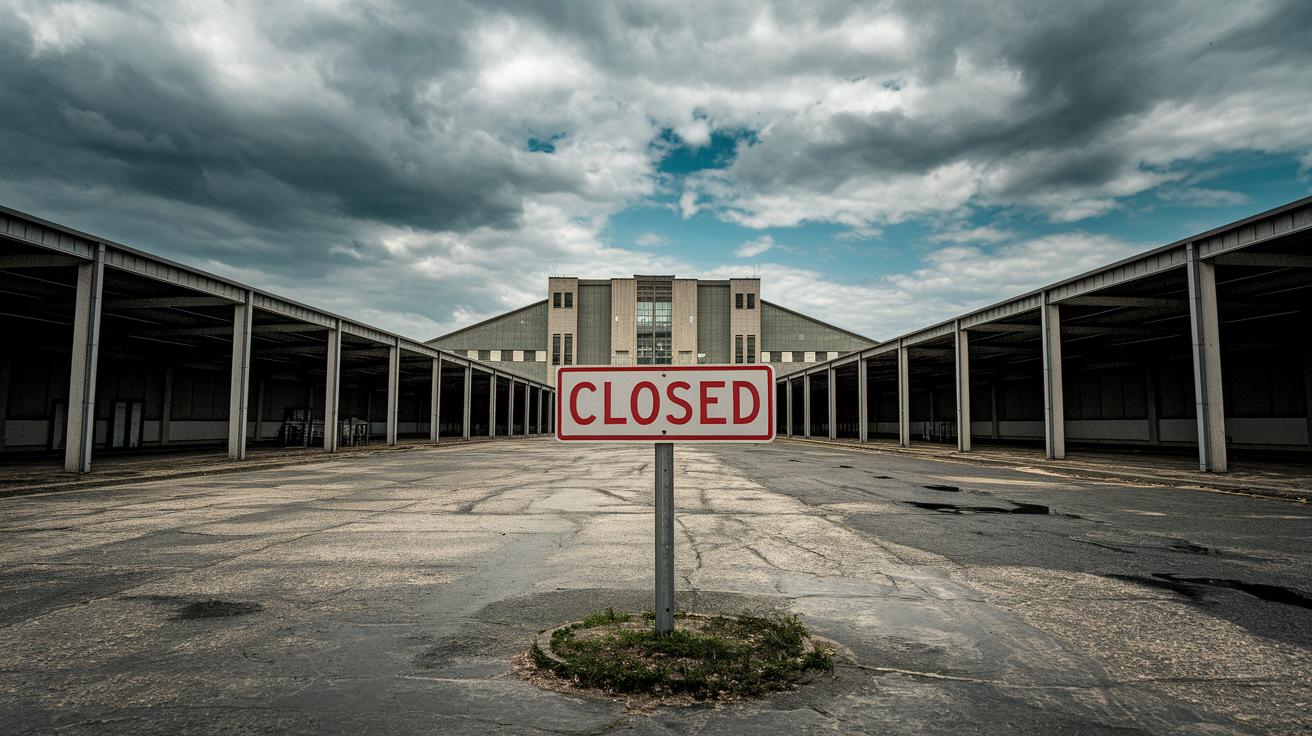
Nonresidential investment in factories, warehouses, and offices has taken a steep dive. Companies are hitting pause on large facility projects because they just don’t have clear answers on how tariffs will hit them. With final tariff rates for countries like China, Mexico, and Canada still up in the air, firms are waiting for firm policy signals and final trade deals, especially with the looming USMCA talks.
Businesses are also rethinking how they source their goods. They’re exploring new ways to diversify and shift their suppliers to avoid betting everything on one market. Moving parts of production to regions with steadier tariff rules not only calms immediate supply hiccups but also spreads risk more evenly. For instance, a manufacturer might decide to secure a backup supplier in a country known for a stable trade environment. This simple move can help cushion the blow from sudden tariff changes.
At the same time, there’s a clear call for policymakers to get in on the action. When governments work together via regional pacts, they can build stable trade frameworks that ease cross-border capital flows. Such coordinated efforts promote smarter investments in resilient infrastructures and smoother logistics channels. In short, aligning regulatory rules can pave the way for a more reliable global trading system and a tougher, more adaptable supply chain in these uncertain times.
Forecast Modeling for Economic Outlook Amid Trade Policy Shifts

Forecast models like GIMF, CP, and CFRT give investors and policymakers a clear framework to explore what might happen as trade policies change. These models break down how tariffs might affect production and overall well‑being, painting a range of future economic scenarios that help everyone understand potential shifts in global markets.
When it comes to risk, these tools focus on key signals. For example, there’s an increasing worry about stagflation in the US, where rising prices mix with slow growth. On top of this, changes in unemployment and price swings add extra layers of uncertainty. By watching these signals, investors can spot where the economic pulse seems off, letting them plan for both short‑term shocks and long‑term challenges.
Digging into the model outputs calls for a thoughtful approach. Decision-makers look at how each simulation predicts bumps along the road and long‑term impacts on well‑being. Whether the data hints at a brief setback or a deeper ongoing issue, these insights give everyone the confidence to tweak their portfolios and policy moves in step with evolving trade policies.
Final Words
In the action, our analysis unpacked how trade policies influence short-run shocks and longer-term strategic shifts across global markets. We reviewed updated growth forecasts, fiscal responses, and diverse regional impacts that shape the economic outlook. The discussion also highlighted supply chain adjustments, forecast modeling, and innovative measures that support informed decisions. These insights offer practical guidance for investors navigating evolving market trends and encourage a positive view of future opportunities.
FAQ
Q: What do recent economic outlook and trade policies PDFs reveal?
A: The recent PDFs show current insights into how shifts in trade policies influence global growth trends. They update traditional forecasts and offer analysis on market performance based on new tariff and regulatory developments.
Q: What are the economic forecasts for the next 5 and 10 years?
A: The economic forecasts for the next 5 and 10 years predict modest global growth, with effects of current trade measures potentially reducing long-term output by about 1% of global GDP, reflecting ongoing market pressures.
Q: What does the World Economic Outlook, including the IMF report for 2025, indicate?
A: The World Economic Outlook and the IMF report for 2025 revise global GDP growth expectations to about 2.8%. They provide updated figures that account for trade policy impacts and shifting market uncertainties.
Q: What are trade and economic policies?
A: Trade and economic policies are government guidelines that shape trade agreements, tariffs, and regulatory measures. They determine market access and influence overall economic performance by addressing the flow of goods and services.
Q: What is the overall economic outlook and its effect on global trade?
A: The overall economic outlook reviews current market trends and performance data. It shows that trade policy adjustments directly influence global trade by impacting competitive conditions, stability, and growth forecasts.
Q: How does trade policy affect economic growth?
A: Trade policy affects economic growth by modifying tariff levels and trade terms. These changes can lower output, shift consumer spending patterns, and alter investment flows, affecting market growth over time.
Q: Where can I find detailed data on these economic outlooks and trade policies?
A: Detailed data can be found in resources like the IMF World Economic Outlook and comprehensive market trends reports. These documents offer thorough analysis and deep insights into forecast adjustments and trade policy impacts.