Have you ever thought about how technology can reinvent our daily lives? Consider blockchain, a smart technology that’s making everyday tasks simpler and more secure. It’s like a shared, trustworthy diary for industries such as finance, supply chains, and healthcare. Each transaction gets checked by several independent points, ensuring trust and clarity. When we reimagine traditional ways of doing things, global progress becomes not just a dream but a real, achievable goal.
Multi-Industry Use Cases of Blockchain Applications
Blockchain was built to tackle the problem of double-spending in digital money. In everyday terms, it uses strong cryptography to keep an unchangeable and spread-out record of every transaction. This clever setup guarantees that a digital coin shows up in just one spot, stopping fraud before it even starts.
At the heart of blockchain lie four key qualities: transparency, immutability, decentralization, and automation. These traits work together to build trust. Distributed ledger consensus mechanisms, where multiple nodes verify each transaction, make sure every record is clear and secure, without needing one central boss to call the shots.
This dependable design supports a host of real-world uses across industries. In finance, blockchain speeds up transfers between people and cuts down on fees. It also shines in supply chain management by tracking products and verifying their authenticity with records that are tough to tamper with. In healthcare, it keeps patient records safe and makes data sharing more efficient. And when it comes to digital identity, blockchain lays the groundwork for secure and verifiable credentials.
All in all, blockchain is a game changer, setting up systems that are not only secure and efficient but also easy to understand and use in our rapidly digitalizing world.
Blockchain Applications in Finance and Payments
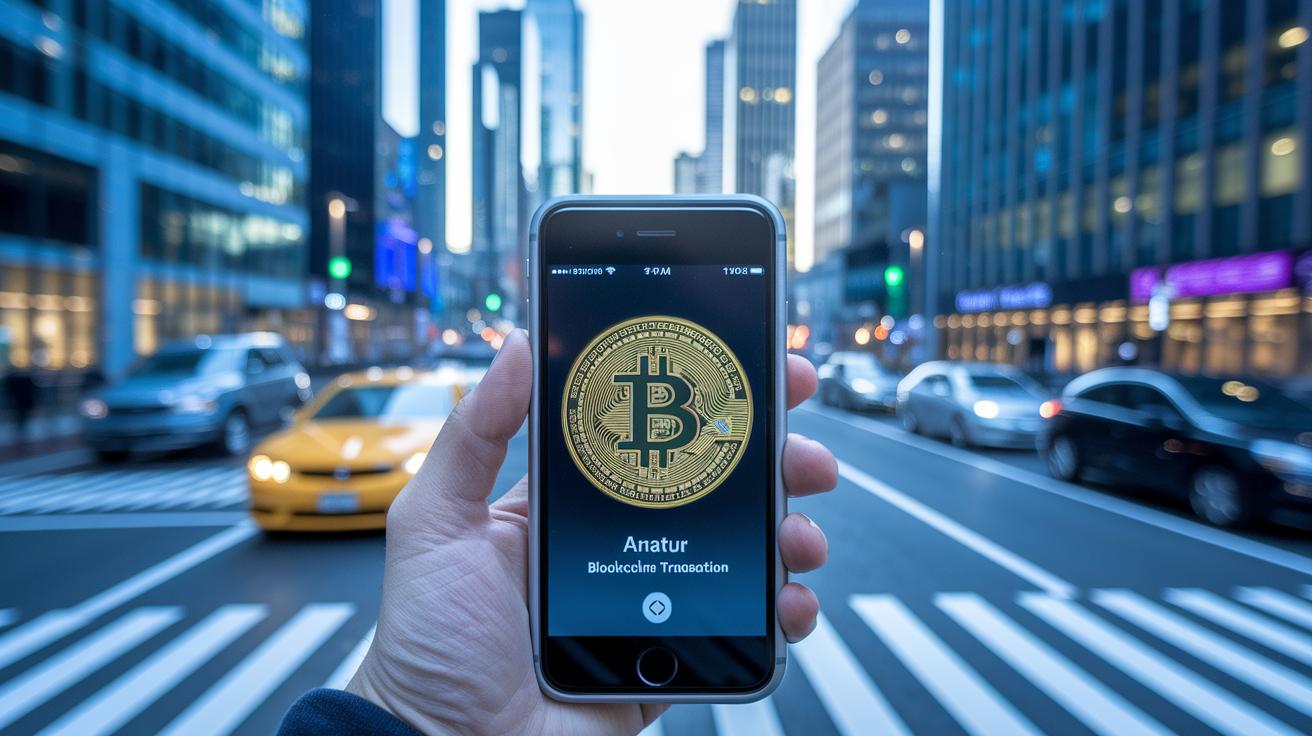
Blockchain is shaking up how we send money, whether it’s between friends or through big institutional transfers. This technology lets you send cash straight to someone else, and it helps huge organizations cut out extra steps when moving money around. With fewer middlemen, both everyday users and companies see faster results and lower fees. Nowadays, blockchain-powered payments wrap up in minutes, turning what used to be days-long cross-border waits into a quick transfer.
Big names are already proving its worth. For instance, Block’s Bitkey app helps you make secure transactions while on the move. And giants like JPMorgan Chase and Cash App are using blockchain to trim down processing times and cut costs. Meanwhile, decentralized exchanges such as PancakeSwap and Uniswap let you trade without handing over control of your assets. Even smart contracts on platforms like Aave manage lending tasks, like margin calls and collateral releases, automatically for you. It’s a clear move toward systems that value speed, control, and saving money.
- Instant cross-border transfers
- Decentralized trading on DEXs
- Automated lending and credit services
- Tokenized digital currencies and stablecoins
- Smart-contract-driven financial agreements
Looking ahead, blockchain will likely boost security, speed, and transparency even more. As tech keeps getting better at building decentralized systems, both individuals and companies can expect payment methods that break old molds and smooth out global finance like never before.
Blockchain Applications in Supply Chain and Logistics
Blockchain is reshaping our supply chains by making records tamper-proof and transparent in a way that everyone can trust. It operates through an unchangeable digital ledger that cuts out loads of paperwork and lets everyone verify a product’s journey quickly. This means fewer manual checks and a smoother, faster process overall.
Big names like Tracifier and Oracle’s Intelligent Track and Trace have embraced blockchain to enable seamless data sharing across different layers of the supply chain. Companies such as Chain.io and DHL use on-chain records to keep a constant eye on operations. They can spot issues early and provide solid proof of a product’s origin before it moves on. This level of automated tracking makes sure that every transfer is securely recorded, offering clear, reliable information each time.
All this technology isn’t just for the experts. Manufacturers enjoy smoother operations and fewer delays, retailers handle verifications with less hassle, and consumers get to shop with the confidence that what they’re buying is genuinely what it claims to be. Blockchain is making supply chains not only more efficient but also more trustworthy for everyone involved.
Blockchain Applications in Healthcare Record Management

When it comes to managing healthcare records, keeping patient data safe is our number one priority. Hospitals and clinics need to use secure, distributed systems that both meet regulatory standards and protect sensitive information. This solid foundation builds trust between patients and healthcare professionals.
A six-month pilot at Beth Israel Deaconess Medical Center, in collaboration with MIT, showed how blockchain can really work for healthcare. In this trial, patient records were updated in real time, which made it easier for doctors to coordinate care and respond quickly. It’s a clear example of how blockchain’s tamper-proof, decentralized approach can reduce delays and minimize errors in record keeping.
IBM’s Digital Credentials platform offers another exciting benefit of blockchain in healthcare. It securely stores important personal details like Social Security numbers and birth dates on the blockchain, supporting digital identity systems across healthcare and education. These decentralized records mean that validated, up-to-date medical histories are available with controlled access, ensuring patients’ privacy while giving providers the information they need exactly when they need it.
Blockchain Applications in Digital Identity and Authentication
Traditional identity checks can be slow and prone to forgery. In our busy world, both people and organizations need to confirm identity details fast without risking sensitive data. This ongoing need for trustworthy digital checks has led to a search for more secure and efficient solutions.
Blockchain steps in by using cryptographic methods to verify identity with on-chain proof. Take IBM Digital Credentials, for example. It uses advanced encryption to guard personal data like Social Security numbers, lowering the chance of unauthorized changes. It even automates the issuance of digital certificates, acting like a digital notary that never stops working.
Across industries such as travel, healthcare, and education, blockchain-based identity tools are making a real difference. Organizations can now verify credentials instantly with unchangeable audit trails and streamlined certificate checks. This mix of tamper-proof records and fast, on-demand authentication boosts security and builds user confidence.
Blockchain Applications in Government and Voting Systems

During Romania's 2024 parliamentary election, blockchain technology played a key role in protecting electoral integrity. It stopped duplicate votes and blocked unauthorized ballots, ensuring every vote was recorded only once. Voters experienced a process that felt transparent and honest, leaving almost no room for tampering.
Blockchain's smart contracts are also transforming government services. Platforms like Kaleido, Follow My Vote, and VOATZ help verify documents and automate benefit disbursement, which means fewer errors and faster record processing. Some countries are now testing blockchain to digitize and secure pension records, which helps cut fraud and lower operational costs.
Immutable governance records create a strong base for public transparency. Because blockchain stores data in a format that can’t be changed, every record stays securely locked in after it's updated. This tamper-resistant setup gives governments a reliable way to track transactions, verify document authenticity, and perform real-time audits. Just imagine a system where every tweak is permanently recorded, building a resilient framework for decentralized governance.
Emerging Trends and Challenges in Blockchain Applications
Proof of stake and similar next-generation consensus models are changing the game for blockchain networks. These methods cut down energy use and speed up transactions, which means platforms like IBM and AWS are already launching pilot programs that let companies try out blockchain in smoother ways. It’s not just about faster record-keeping; these updates also address ongoing issues with scaling ledgers.
Meanwhile, boosting connections between different blockchain systems is a hot topic. Think of frameworks like Polkadot and Cosmos, they’re busy building bridges that let separate networks share data easily. This kind of seamless interaction supports a range of applications and is paving the way toward a more connected decentralized ecosystem.
Key trends to keep an eye on include:
- AI-enhanced smart contract automation
- Layer-2 scaling and sharding solutions
- Adoption and integration of enterprise Blockchain-as-a-Service
- Expansion of token economies and asset digitization
Planning is crucial here. Industries need to adopt standard protocols to tokenize both physical and financial assets, while also preparing for better integration across platforms. With well-thought-out strategies and a focus on solving scaling challenges, blockchain can continue to grow and innovate, making decentralized apps both powerful and accessible.
Final Words
In the action, this article broke down how blockchain applications first solved digital currency issues and then evolved to impact finance, supply chains, healthcare, digital identity, government, and emerging trends in consensus and scalability.
We saw how distributed record systems foster transparency in digital records and drive secure transactions, automated processes, and regulatory clarity.
Today, blockchain applications continue to reshape multiple sectors while boosting innovation and confidence. The future looks bright as new layers of efficiency and connectivity enhance our daily financial lives.
FAQ
What is blockchain technology and how does it work?
The blockchain technology functions as a decentralized digital ledger that securely records transactions using cryptography. It works by distributing data across a network of nodes to prevent fraud and ensure lasting accuracy.
What are the applications of blockchain, including examples in cryptocurrency, healthcare, and business?
The blockchain applications cover multiple sectors. For example, cryptocurrencies use blockchain for secure transactions, healthcare employs it to manage patient records securely, and businesses leverage it to boost transparency in operations.
What are the 4 types of blockchain?
The blockchain is typically categorized into four types: public, private, consortium, and hybrid. Each type offers different levels of openness, control, and security designed to meet specific operational needs.
What is the blockchain app used for?
The blockchain app is used to streamline and secure transactions by verifying and recording data across a trusted network. This functionality supports industries ranging from finance to supply chain by enhancing record accuracy.
Who actually uses blockchain?
Blockchain is utilized by a broad range of users including individuals, businesses, and public institutions. Crypto users access platforms like Coinbase and Binance, while enterprises and governments adopt blockchain for secure and transparent recordkeeping.
Can you provide examples of blockchain in cryptocurrency?
Blockchain examples in cryptocurrency include platforms like the Bitcoin protocol, Ethereum, and Ledger. These systems employ distributed ledger methods to handle digital asset transactions securely and transparently.
What is Blockchain.com?
Blockchain.com serves as a digital platform that offers cryptocurrency wallets, market data, and analytics. It allows users to manage transactions securely while providing insights and tools related to blockchain finance.
How does Ethereum fit into blockchain applications?
Ethereum fits into blockchain applications by powering decentralized apps and smart contracts. Its platform automates secure transactions and supports innovative financial solutions beyond traditional digital currency exchanges.